What Daily Life Is Like When Living in Norman, Oklahoma
April 23, 2026
April 23, 2026
If you only think of Norman as a football town, you are missing the bigger picture. For people who live here, everyday life is shaped just as much by parks, local restaurants, historic neighborhoods, trails, and practical ways to get around as it is by any Saturday crowd. If you are considering a move, this guide will help you picture what Norman feels like on an ordinary week and how different parts of the city may fit your routine. Let’s dive in.
Norman is Oklahoma’s third-most populous city, with 128,026 residents counted in the 2020 census, and it sits about 20 miles south of Oklahoma City along I-35. The city describes itself as offering a mix of big-city amenities and a small-town feel, which helps explain why it appeals to a wide range of buyers and sellers. You can read more about the city’s overview on the City of Norman website.
That day-to-day balance also shows up in the housing profile. According to the U.S. Census QuickFacts for Norman, the owner-occupied housing unit rate was 53.3%, and the median value of owner-occupied housing units was $250,100. In practical terms, that points to a city with both established homeowners and ongoing renter demand, rather than a one-size-fits-all market.
One of the clearest signs of everyday life in Norman is how much recreation is built into the city itself. The Norman Parks and Recreation Department supports 67 neighborhood and community parks, four recreation centers, a golf course and tennis center, four disc golf courses, an aquatics center, more than 30 tennis and pickleball courts, and three special services centers that offer cultural arts.
For many residents, that means your daily routine can include a neighborhood park, a walking trail, a sports practice, or a weekend activity without needing to leave town. Griffin Community Park is one example of how broad that access is, with a lake, dog park, jogging and walking trail, disc golf course, and the Gillis-Rother Sports Complex with 21 soccer fields.
The city also continues to invest in larger recreation facilities. The Young Family Athletic Center is an approximately 122,000-square-foot facility on a 12-acre site on Norman’s north side, which adds another layer to how residents use the city beyond special events.
Norman’s planning priorities show that open space is not just an extra feature. In 2025, the city council adopted AIM Norman, which highlights goals such as attainable and affordable housing, protection of Lake Thunderbird and the Garber-Wellington Aquifer, preservation of green space and wildlife habitat, and development of a comprehensive trail system connecting neighborhoods.
That matters if you are choosing a home based on lifestyle, not just square footage. A city that is actively planning connected trails and neighborhood links gives you more ways to enjoy daily life, whether your routine includes walks, bike rides, or easier access to parks and community spaces.
When you want a walkable area with steady activity, Historic Downtown Norman is one of the city’s strongest lifestyle anchors. According to Downtown Norman, most restaurants, shops, galleries, and venues are clustered within eight blocks along Main Street east of Flood Avenue, with free street parking and nearby public lots.
That setup makes downtown useful in a very practical way. You can grab dinner, browse local shops, visit a gallery, or meet friends without planning your whole day around traffic or parking. It feels active, but still manageable.
Norman’s arts scene is not limited to a few annual events. The Downtown Norman arts and entertainment page highlights galleries, live music, theatre, performance lessons, the Crucible Foundry, Firehouse Art Center, Norman Arts Council and MainSite, Sooner Theatre, the Moore-Lindsay House Museum, and the Norman Public Library.
You also have recurring events that add rhythm to the month. VisitNorman notes that the monthly 2nd Friday Art Walk brings artists, vendors, live music, and family-friendly activities from Main Street to the EDO District. For someone trying to picture real life in Norman, this is a good example of how the city stays engaged year-round.
Norman also has a second lifestyle center near the University of Oklahoma. Campus Corner brings together restaurants, shopping, bars, and the university-area energy that helps the city feel lively even outside football season.
If you enjoy having multiple places to spend your time, this matters. Downtown and Campus Corner offer different moods, but both contribute to Norman’s everyday pulse. That can be especially helpful if you are comparing Norman to suburbs where activity is more spread out.
Norman’s history is not tucked away in one museum. The city offers a Historic Norman Tour app with a self-guided route covering 23 historic structures, including 16 sites listed on the National Register of Historic Places.
For residents, that adds depth to ordinary weekends and afternoon outings. It also reflects something many buyers notice when they start exploring Norman in person: parts of the city have a strong sense of place that comes from preserved homes, older streetscapes, and recognizable local landmarks.
Many people are surprised to learn that Norman has more than one transit option. The city’s transit and parking page explains that EMBARK Norman bus service connects riders to shopping, businesses, neighborhoods, recreation, government services, and medical services.
Norman also operates Norman On-Demand, a rideshare-style microtransit service that can be especially useful in the evenings and on Sundays. The University of Oklahoma’s CART shuttle system adds another connection point through transfer locations on Jenkins and Elm.
In 2024, Norman On-Demand expanded west of I-35 to 36th Avenue NW/SW from Tecumseh Road to Lindsey Street, including Ed Noble Parkway, Sooner Mall, and Robinson Crossing. If you are trying to reduce driving for certain errands, that kind of coverage can make a real difference.
One reason Norman appeals to many types of buyers is that it does not revolve around a single housing style or neighborhood pattern. The city’s neighborhood planning program focuses in part on the Core Area, roughly bounded by Robinson Street, 12th Avenue E, Imhoff Road, and Berry Road.
The city says that area contains around 16 neighborhoods, including Old Silk Stocking, First Courthouse, University, Larsh-Miller, Original Townsite, Andrews Park, Adams, and Faculty Heights. For buyers, that often means more variety in block-by-block character, housing age, and proximity to downtown or campus amenities.
Norman has three designated historic districts: Chautauqua, Miller, and Southridge. According to the city’s historic preservation information, Chautauqua includes about 153 residential structures, mostly built between 1915 and 1935, while Miller has about 148 structures with eclectic residential architecture built between 1910 and 1938.
Southridge, originally platted in 1922, is known for Tudor Revival and Colonial Revival homes from the 1920s through the 1950s. If you are drawn to older architecture and established streetscapes, these parts of Norman may stand out during your home search.
Norman’s housing mix goes well beyond traditional detached homes. The city’s zoning ordinance outlines multiple residential types in mixed residential development, including single-family attached homes, duplexes, townhouses, condominiums, and apartments.
That range matters whether you are buying your first home, moving up, or preparing to sell and buy on a coordinated timeline. It gives you more flexibility to prioritize walkability, layout, maintenance level, or budget depending on your stage of life.
For many buyers, the real question is not whether Norman has amenities. It is whether the city fits the way you actually live from Monday through Sunday. Based on the city’s planning, parks, transit, and neighborhood information, Norman tends to support a few broad lifestyle patterns.
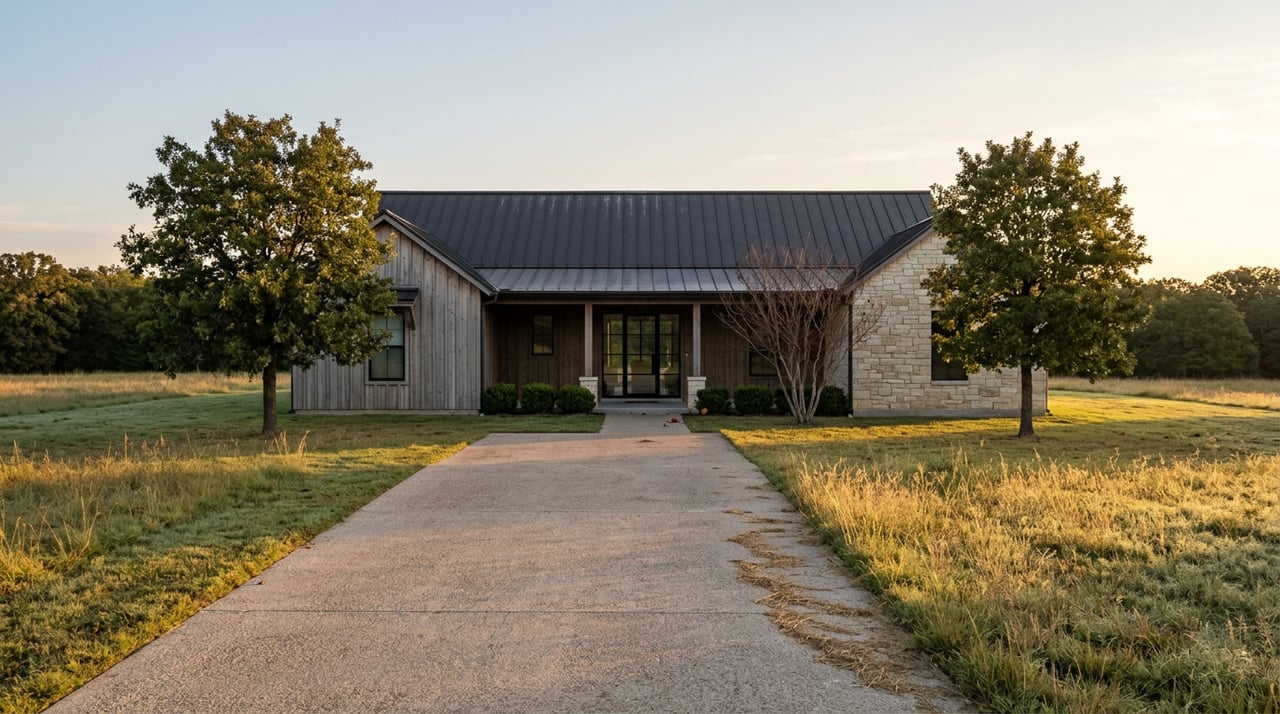
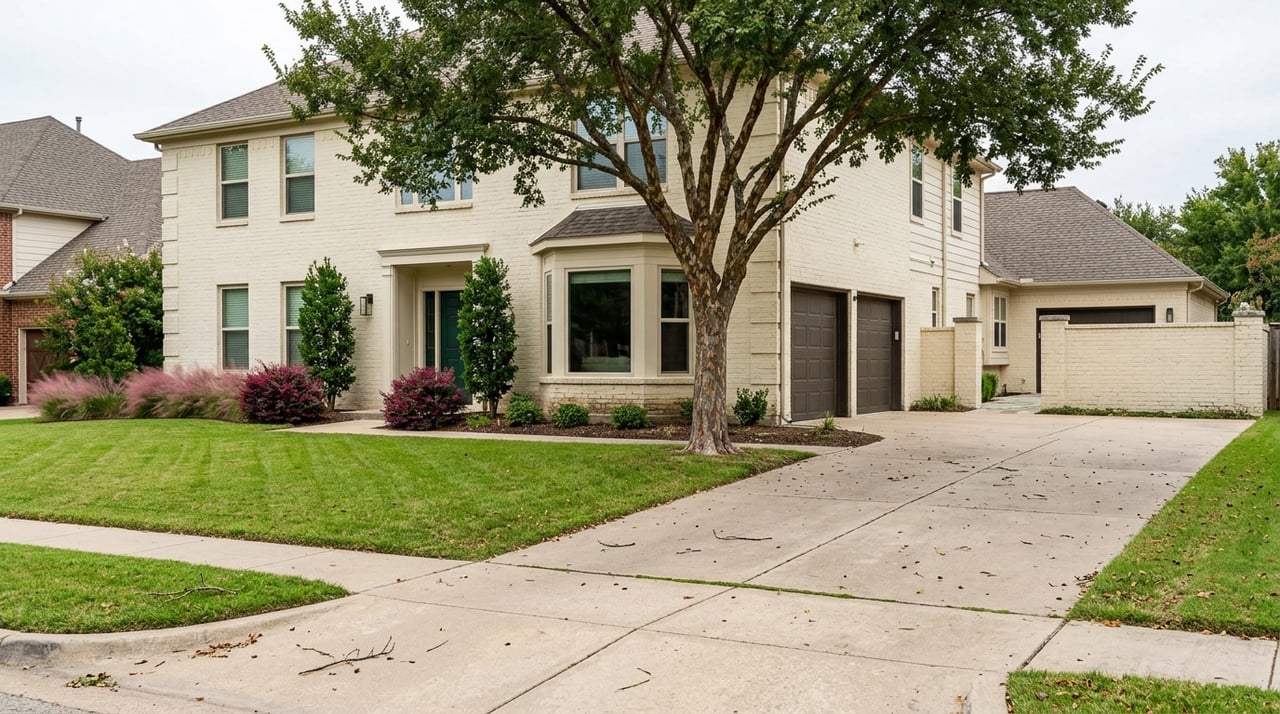
You may prefer a more walkable routine near downtown or the university area, where historic neighborhoods, restaurants, and cultural spaces are easier to access. You may want a more suburban setup with conventional single-family homes and straightforward access to parks and retail. Or you may be drawn to edge-of-city areas where space and lot size take priority, even if that comes with different commute and convenience tradeoffs.
Everyday lifestyle is one of the most important parts of choosing the right home, and it is also one of the most overlooked. A house can check the boxes on paper, but your long-term experience often comes down to how easily you can reach parks, errands, restaurants, recreation, and the parts of town you enjoy most.
That is why local guidance matters. When you are buying or selling in Norman, it helps to work with someone who can walk you through not just the transaction steps, but also how different areas of the city may support your goals, timeline, and daily routine. If you are thinking about your next move in Norman or the surrounding area, Jennifer Elliston can help you navigate the process with clear, step-by-step guidance and a low-stress approach.
Stay up to date on the latest real estate trends.
Rooted in trust, expertise, and sincere dedication, Jennifer brings a lifelong appreciation of what “home” means to every client and every move.