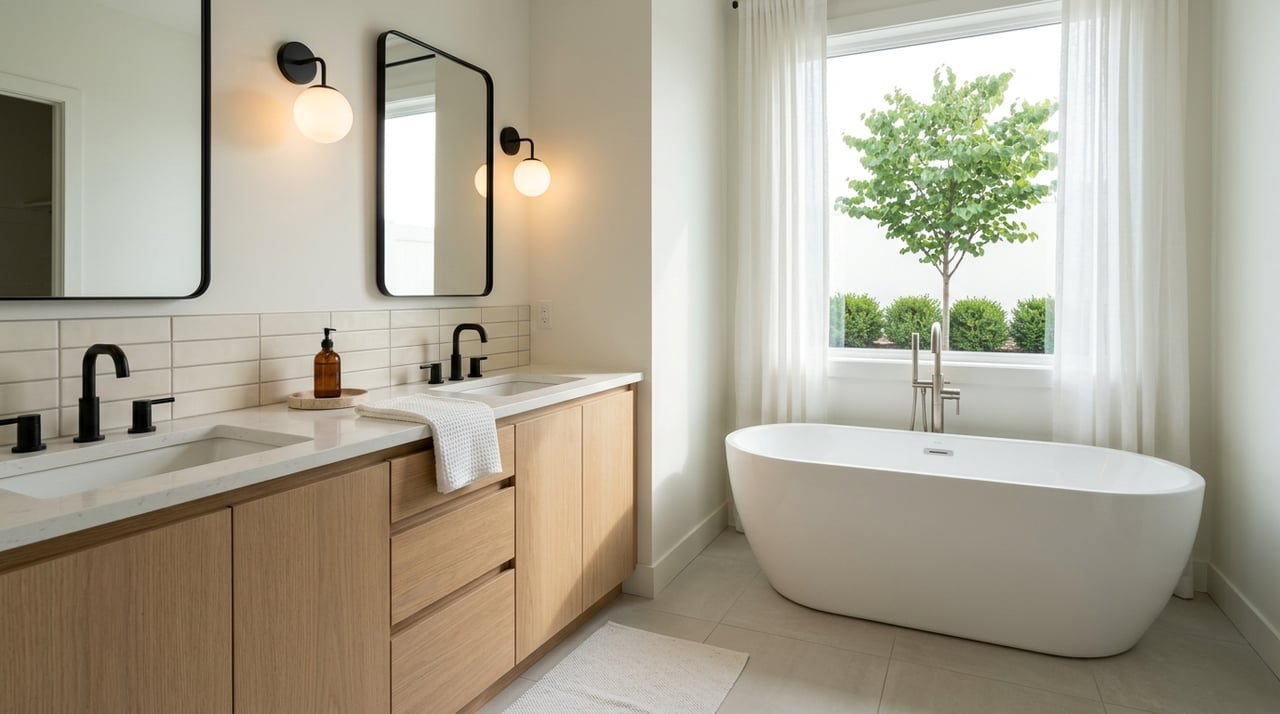
Moore Starter Homes Vs Move-Up Homes: What To Know
July 23, 2026
July 23, 2026
Trying to decide whether to buy a starter home or hold out for a move-up home in Moore? You are not alone. Many buyers in Moore are weighing the same question: keep the monthly payment more comfortable now, or spend more upfront for space and features that may fit longer. This guide will help you compare both paths in practical terms so you can make a confident decision that fits your budget, lifestyle, and next few years. Let’s dive in.
Moore offers a wide range of single-family homes, which gives buyers real choices between entry-level and move-up options. Local housing data shows that 86% of the housing stock is single-unit, and about 68% of homes are owner-occupied. That helps explain why many buyers in Moore are comparing one detached home to another, rather than choosing between houses and a large condo or townhome market.
Prices in Moore also show a market with clear tiers. Census Reporter lists the median owner-occupied home value at $204,500, while current market snapshots place typical home values in the low-to-mid $200,000s. Zillow reports an average home value of $223,828, and Realtor.com reports a median sold price of $226,500 and a median listing price of $259,900.
For renters thinking about buying, the comparison often starts with the monthly payment. Zillow and Realtor.com place median rent in Moore at roughly $1,400 to $1,500 per month. That means some buyers are asking whether it makes more sense to put a similar amount toward ownership, while still leaving room for insurance, maintenance, and closing costs.
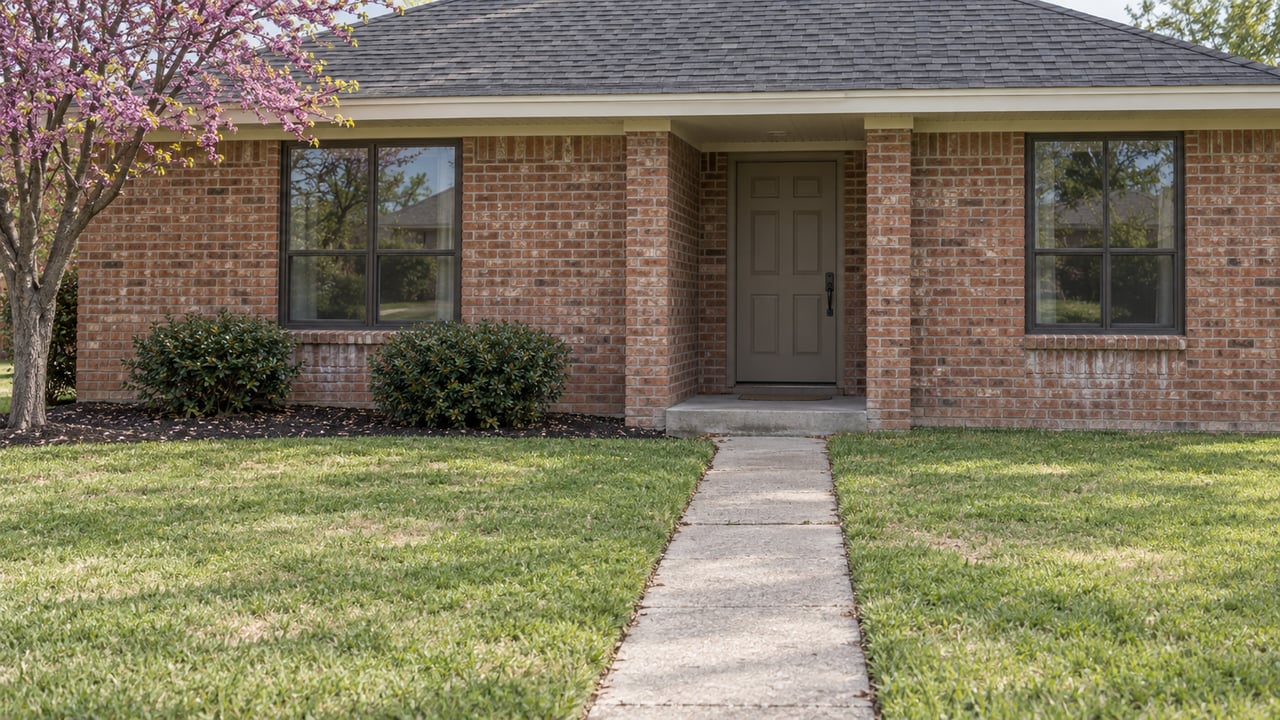
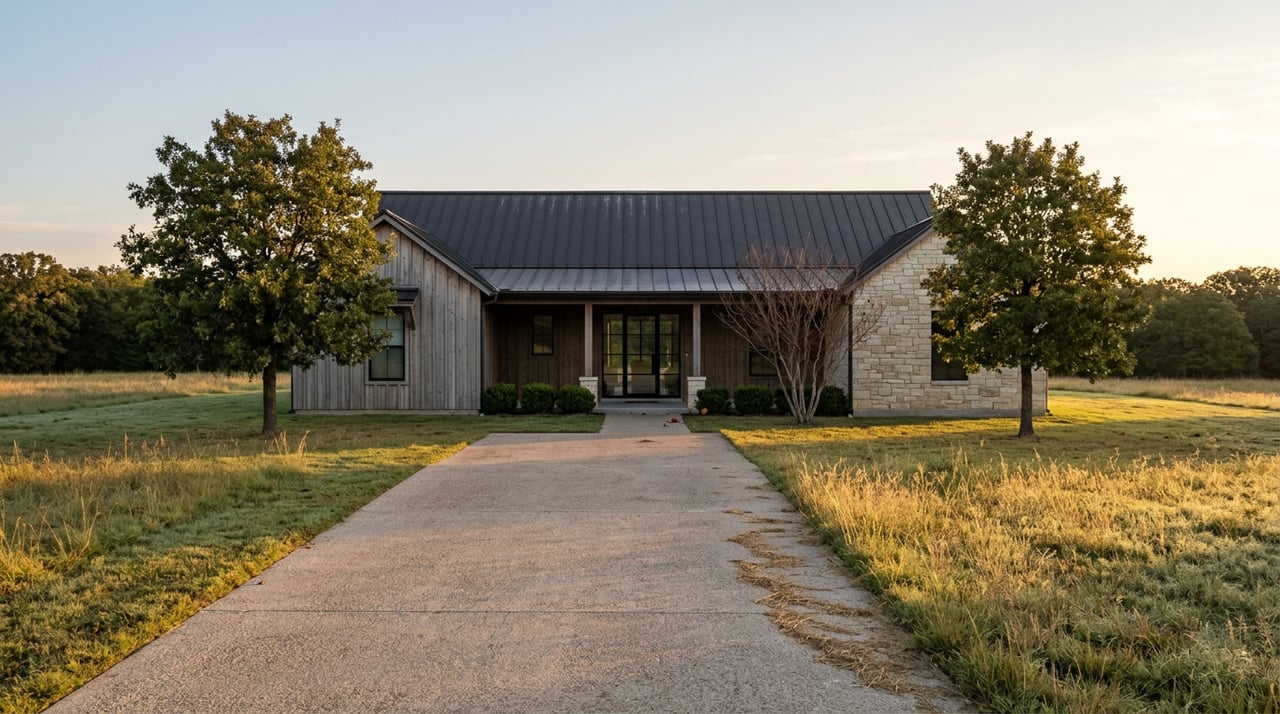
In Moore, a starter home usually means a smaller detached house with a simpler layout and a lower price point than larger nearby homes. Because attached housing is a small share of the local market, starter homes here are more often single-family homes than condos or townhomes. That is an important local difference if you are moving from a market where entry-level buying looks very different.
Current listings help paint the picture. Entry-level homes in Moore often include 3-bedroom, 2-bath layouts ranging from about 956 to 1,229 square feet, with other smaller homes running roughly 1,100 to 1,800 square feet. Asking prices commonly range from the mid-$100,000s into the low $200,000s.
In many cases, these homes offer the basics you need without a lot of extra space. You may find older construction, smaller living areas, fewer storage options, and less room for a home office, guests, or hobbies. Some have updated finishes, but the footprint itself is usually the main tradeoff.
City planning documents show that Moore's older housing stock is concentrated mainly east of Old Town and in the west-central part of the city. Those same areas also contain some of the city's lower median housing values. If you are looking for a more budget-friendly purchase, those parts of Moore may be worth paying close attention to.
That does not mean every home there will be low-priced or that every buyer should focus only on those areas. It simply means these parts of Moore tend to have more of the older, smaller housing stock that often lines up with starter-home budgets. Your best fit will still depend on condition, layout, and how long you expect the home to work for you.
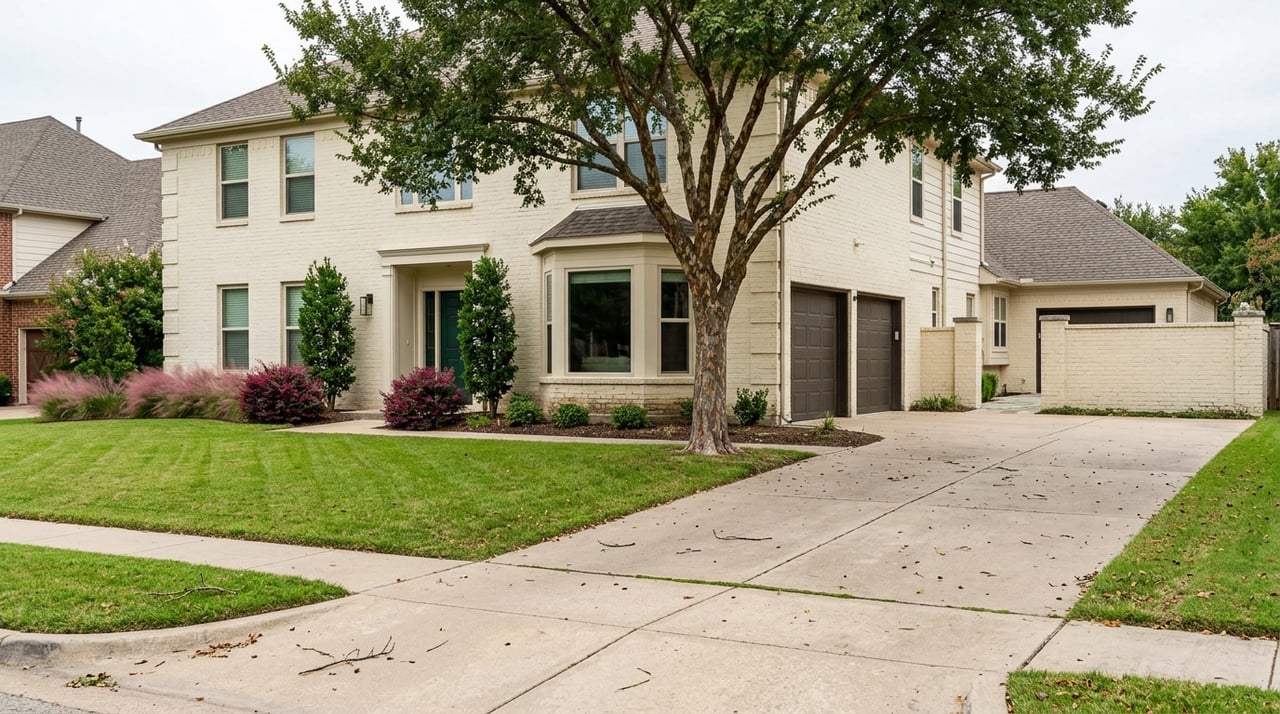
A move-up home in Moore is usually less about luxury and more about livability. It often means more bedrooms, more bathrooms, larger kitchens and living spaces, better storage, a larger garage, and extra space you can use over time. For many buyers, the real upgrade is flexibility.
Current listings show that move-up homes in Moore often start around 2,000 square feet and can climb well beyond that. Zillow shows active homes around 2,041, 2,349, and 2,879 square feet, with prices moving into the $300,000s and $400,000s as homes become larger and newer. Redfin also shows new-construction examples built in 2024 with 4 to 5 bedrooms, multiple living areas, bonus rooms, and 3-car garages.
These homes often appeal to buyers who want more room for changing needs. That could mean space for remote work, guests, hobbies, storage, or simply a layout that feels easier to live in day to day. If you expect your household needs to grow in the next few years, those features may carry real value.
City planning documents say the highest median housing values in Moore are generally in the east and southwest parts of the city. Those areas are also more likely to include newer subdivisions and larger-lot homes. If you are specifically looking for newer construction or a larger home, those parts of Moore may offer more of what you want.
Again, no area is one-size-fits-all. The key is understanding the pattern of the market so you can focus your search where the housing stock best matches your goals. That saves time and helps you compare options more clearly.
The biggest difference often comes down to payment comfort versus long-term fit. A starter home may give you a lower purchase price and more monthly breathing room. A move-up home may cost more now but reduce the chance that you outgrow the home quickly.
Here is a simple way to compare the two:
| Factor | Starter Home | Move-Up Home |
|---|---|---|
| Typical size | Smaller footprint | Larger footprint |
| Age of home | Often older | Often newer |
| Price range | Mid-$100Ks to low-$200Ks | Often $300Ks to $400Ks |
| Layout | Fewer flex spaces | More bedrooms, baths, bonus areas |
| Maintenance | May need more updates over time | Newer homes may offer lower early maintenance |
| Long-term fit | Good for getting started | Better for multi-year growth |
Neither option is automatically better. The right choice depends on how you want to balance cost, flexibility, and the kind of daily living experience you want.
Before you decide, it helps to think beyond the listing price. The better question is whether the home matches your next few years, not just your next few months. In Moore, that matters because there are enough options across price points to make either path realistic.
Ask yourself:
If your answers point toward simplicity and budget control, a starter home may be the better fit. If your answers point toward stability, space, and fewer compromises, a move-up home may be worth the stretch.
Moore is not a one-speed market. Realtor.com reports 405 homes for sale, a median sold price of $226,500, and a median days-on-market figure of 38 days. Zillow reports an average home value of $223,828 and a median days to pending of 10, which shows that well-priced homes can still move quickly.
That means your decision is not just about budget. It is also about preparation. If you are serious about buying in Moore, getting clear on your numbers and must-haves early can help you act with less stress when the right home appears.
If you are stuck between the two, try this simple framework:
The goal is not to buy the biggest house you can manage. The goal is to buy a home that supports your life well and keeps your finances in a place that feels steady.
This is where local context makes a difference. In Moore, starter homes and move-up homes are not just separated by price. They are often shaped by different parts of the city, different ages of housing stock, and very different floor plan options.
When you work with someone who knows how Moore's housing tiers really play out, you can compare homes more clearly and make a decision based on fit, not guesswork. A step-by-step approach can also help you sort through budgeting, prequalification, showings, and offer strategy without feeling rushed.
Whether you are buying your first home or planning a move that gives you more room to grow, the best next step is a clear plan. If you want practical guidance tailored to Moore, reach out to Jennifer Elliston for a low-stress, informed path forward.
Stay up to date on the latest real estate trends.
Rooted in trust, expertise, and sincere dedication, Jennifer brings a lifelong appreciation of what “home” means to every client and every move.