Oklahoma City Homeownership Lifestyle and Daily Life
July 2, 2026
July 2, 2026
Are you wondering what day-to-day life really feels like once you own a home in Oklahoma City? That question matters because buying a home is not only about square footage or price. It is also about how your routines, weekends, errands, and downtime will take shape. If you are thinking about making a move in the OKC metro, this guide will help you picture what homeownership often looks like here. Let’s dive in.
For most Oklahoma City homeowners, daily life starts with the car. Oklahoma City sits at the crossroads of Interstate 35, Interstate 40, and Interstate 44, and the city reports more than 2,400 miles of four-lane roads. That road network helps explain why so many routines, from commuting to grocery runs to evening plans, are built around driving.
The numbers back that up. The most recent Census-derived city profile reports a median one-way commute of 22.2 minutes, with 77.0% of workers driving alone. For many homeowners, that means your home search may naturally focus on how quickly you can reach work, family, and the places you visit most often.
That said, Oklahoma City is not only highways and parking lots. EMBARK offers buses, RAPID bus rapid transit, the OKC Streetcar, paratransit, and river ferry service. If you spend time in central areas, those options can add flexibility to your week, especially for events, dining, or outings downtown.
If you live near the urban core, everyday errands and social plans can feel a little more connected. Census-derived data shows 1.4% of workers walk and 0.4% use public transit, which is still a small share overall. Even so, central districts often make it easier to keep dinner, coffee, and entertainment close to home.
This is one reason Oklahoma City appeals to many buyers who want a mix of space and access. You may have a more traditional homeowner setup at home, but still enjoy nights out without a long drive. That balance is a big part of the city’s appeal.
One of the easiest ways to picture Oklahoma City homeownership is to think about where you go after work or on a Saturday night. The city has several well-known districts that give residents plenty of options for dining, shopping, and events. Instead of feeling like every outing requires a major plan, many homeowners can rotate through a few favorite areas depending on the mood.
Bricktown is Oklahoma City’s signature entertainment district. It centers on the canal and is known for restaurants, bars, music venues, clubs, and Chickasaw Bricktown Ballpark. For homeowners, that means you have an easy go-to when you want a lively night out, a game, or a place to show visiting friends and family.
Midtown sits on the north edge of downtown and mixes local restaurants, neighborhood pubs, and unique shops. It also connects downtown with Heritage Hills, Mesta Park, and Automobile Alley. For many people, Midtown fits well into normal life because it can work just as well for a quick dinner as it does for a longer evening out.
The Plaza District is known for murals, galleries, dining, and shopping. The Paseo Arts District, originally built in 1929, now includes more than 20 galleries and more than 80 artists within walking distance. Visit OKC also notes monthly First Friday Gallery Walk events and a long-running arts festival there.
For homeowners, these districts can make the city feel more personal. They offer places where you can return often, not just once in a while. That kind of repeatable routine matters when you are choosing where to put down roots.
Western Avenue is one of Oklahoma City’s oldest official districts and includes more than 50 shops, restaurants, bars, and coffee shops. West Village, including Film Row, blends historic architecture, street art, galleries, dining, and nightlife. Automobile Alley shows another side of the city, where older warehouses have been repurposed into breweries, boutiques, and restaurants.
These areas help create variety in everyday life. You can have a home base that feels residential and still enjoy a wide range of experiences throughout the week. That is a major part of what many buyers are looking for when they picture life after closing.
Homeownership is not only about the house itself. It is also about where you go to reset, exercise, meet friends, or spend time outdoors. Oklahoma City has made major investments in public green spaces, and that changes how residents use the city.
Scissortail Park is a 70-acre urban park stretching from downtown to the Oklahoma River. The Skydance Bridge connects its upper and lower sections. This kind of park gives homeowners a place for walks, casual meetups, and low-key weekend time without leaving the city.
Nearby, Myriad Botanical Gardens describes its purpose as improving the quality of life and vibrancy of downtown Oklahoma City by sustaining a world-class public garden and urban green space. For homeowners who value easy access to green space, these areas add a lot to the downtown lifestyle.
Lake Hefner is a major anchor for many residents, especially in the northwest part of the city. The city says the lake covers 2,500 acres and includes a 9-mile paved trail for walking, jogging, and cycling. It also offers boat docks, fishing docks, picnic areas, and other amenities.
For many homeowners, Lake Hefner becomes part of the weekly routine. It is the kind of place where a simple morning walk or evening bike ride can become a regular habit. When you think about quality of life, that consistency matters.
The Oklahoma River adds even more outdoor options. The city says a 7-mile stretch of the river has been transformed into trail-lined river lakes, and the trails along both banks are open to runners, walkers, skaters, and bikers. Oklahoma City Parks and Recreation also says the city trail system offers nearly 100 miles of interconnected trails.
That means outdoor time does not have to be reserved for special occasions. If staying active matters to you, Oklahoma City offers many ways to build that into normal life. For homeowners, that can make a big difference in how connected and livable the city feels.
A city feels different when arts, history, and attractions are easy to work into your schedule. In Oklahoma City, cultural venues are not only for tourists. Many are close enough and established enough to become part of your regular rotation.
The Oklahoma City Museum of Art describes its downtown facility as a 110,000-square-foot institution with a major film program. First Americans Museum presents the histories of 39 First American Nations in Oklahoma today. The National Cowboy and Western Heritage Museum identifies itself as America’s premier institution of Western history, art, and culture.
The Oklahoma City Zoo and Botanical Garden highlights more than 350 species and large botanical areas. The Oklahoma City National Memorial and Museum was created to honor those who were killed, survived, and changed forever by the 1995 bombing, and the outdoor memorial is open 365 days a year, 24 hours a day. For homeowners, this means weekend plans can include meaningful, memorable places without leaving the metro.
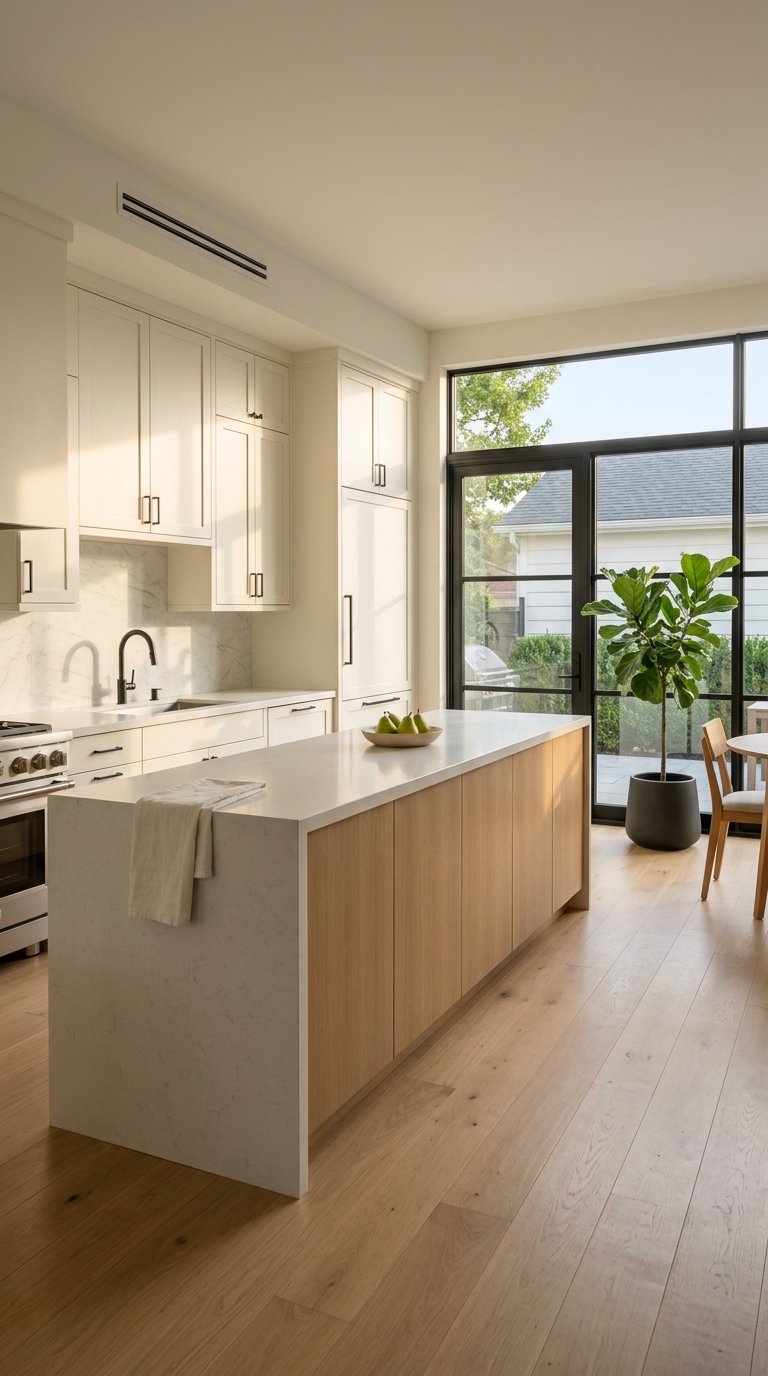
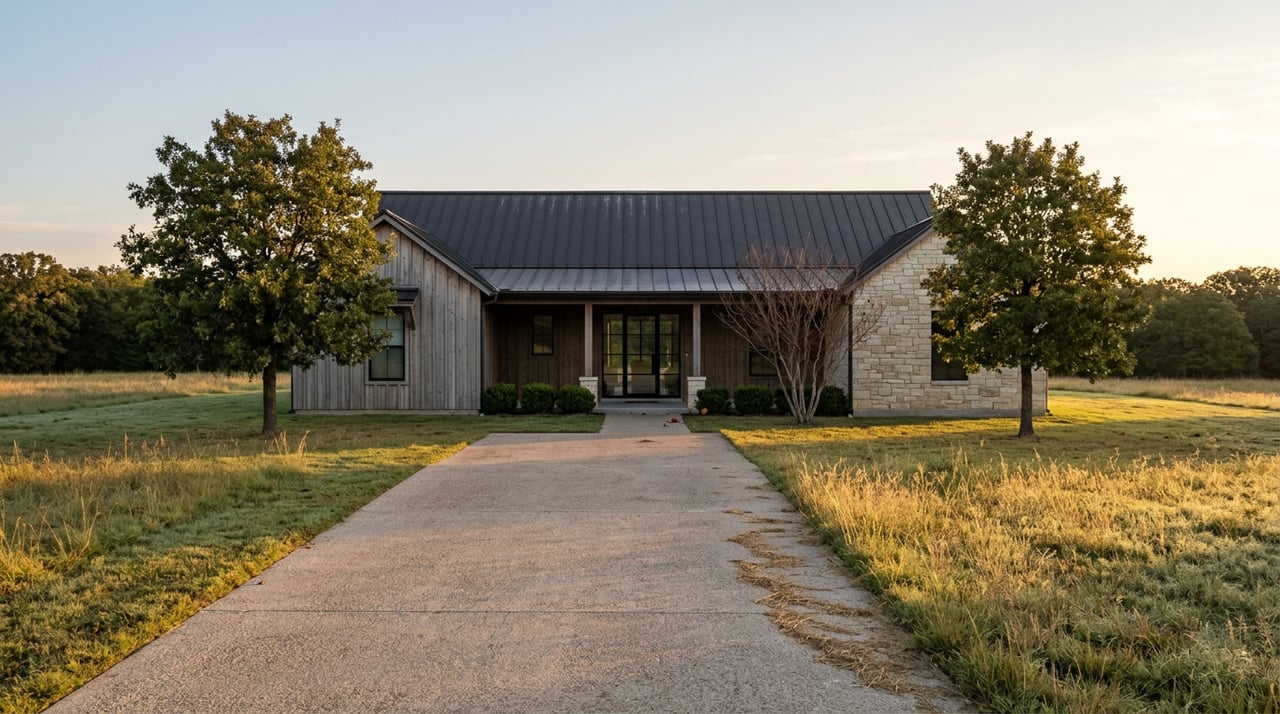
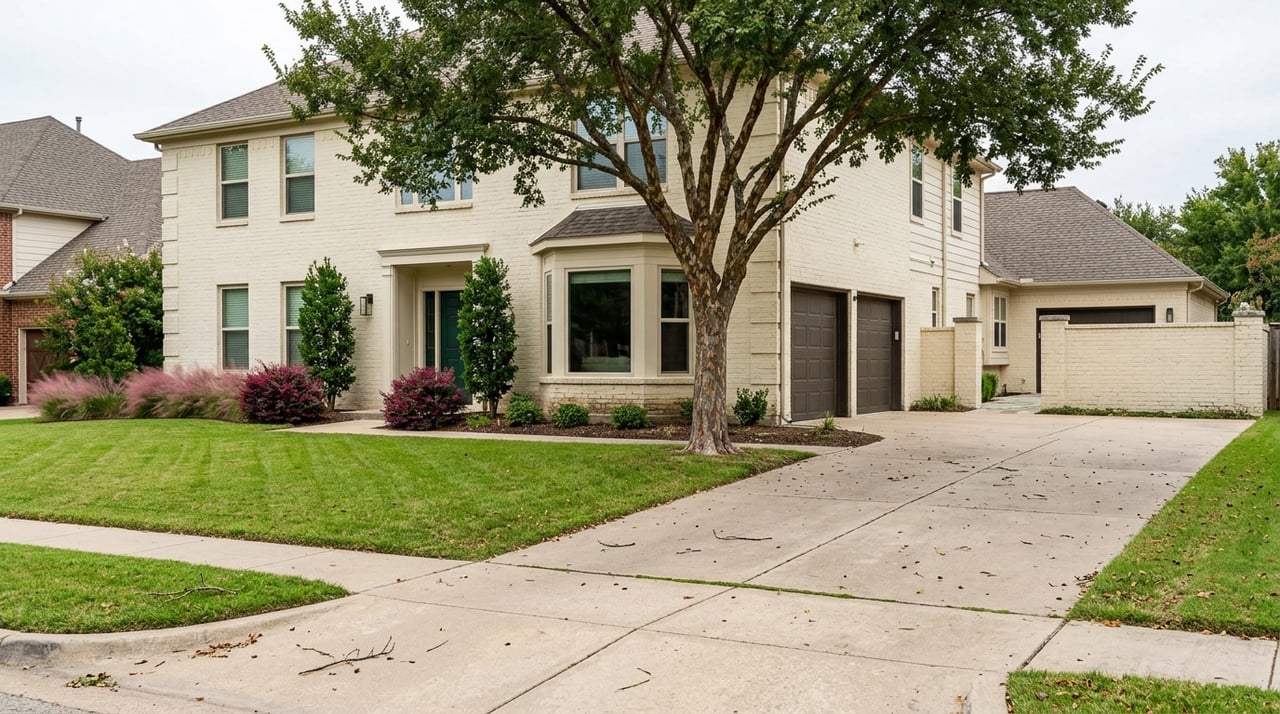
Oklahoma City’s housing makeup helps explain why daily life often feels built around ownership. The Census-derived profile reports that 59.1% of households are owner-occupied and 67.6% of housing units are single-family detached. In practical terms, many homeowners here live in spaces shaped by driveways, garages, yards, and exterior maintenance.
Vehicle access also plays a big role. The same profile reports that 35.3% of households have one vehicle and 38.4% have two vehicles. That lines up with the city’s driving culture and reinforces why location decisions often come down to commute patterns and convenience.
The profile also reports a median home value of $215,100 and a median gross rent of $1,083. While every buyer’s budget and goals are different, these figures help show why many people consider homeownership a realistic long-term step in Oklahoma City. It is a market where the homeowner lifestyle is visible in how the city is built and how residents move through it.
If you want a simple picture, think of Oklahoma City homeownership as a blend of suburban-style living and city access. A normal weekday may include a drive to work, errands by car, and dinner in Midtown, Western Avenue, or Bricktown. A weekend might mean a walk at Scissortail Park, a trail ride around Lake Hefner, or time along the Oklahoma River.
You might also spend part of your weekend at a museum, the zoo, or the memorial. That combination of home-centered routine and flexible city amenities is what stands out most. You can have space and familiarity at home while still enjoying a wide mix of activities nearby.
When you are choosing a home, it helps to think beyond the property itself. Your commute, your weekend habits, and the places you naturally spend time all shape whether a home feels right after move-in. In Oklahoma City, that often means balancing road access, proximity to favorite districts, and how close you want to be to parks, trails, and cultural spots.
That is where local guidance matters. A home that looks great online may fit your budget but not your everyday routine. The right match is usually the one that supports how you actually want to live, not just where you want to sleep.
If you are thinking about buying or selling in the Oklahoma City metro, working with a guide who understands both the process and the day-to-day feel of local living can make the experience a lot smoother. If you are ready to talk through your next move, connect with Jennifer Elliston for clear, step-by-step support.
Stay up to date on the latest real estate trends.
Rooted in trust, expertise, and sincere dedication, Jennifer brings a lifelong appreciation of what “home” means to every client and every move.