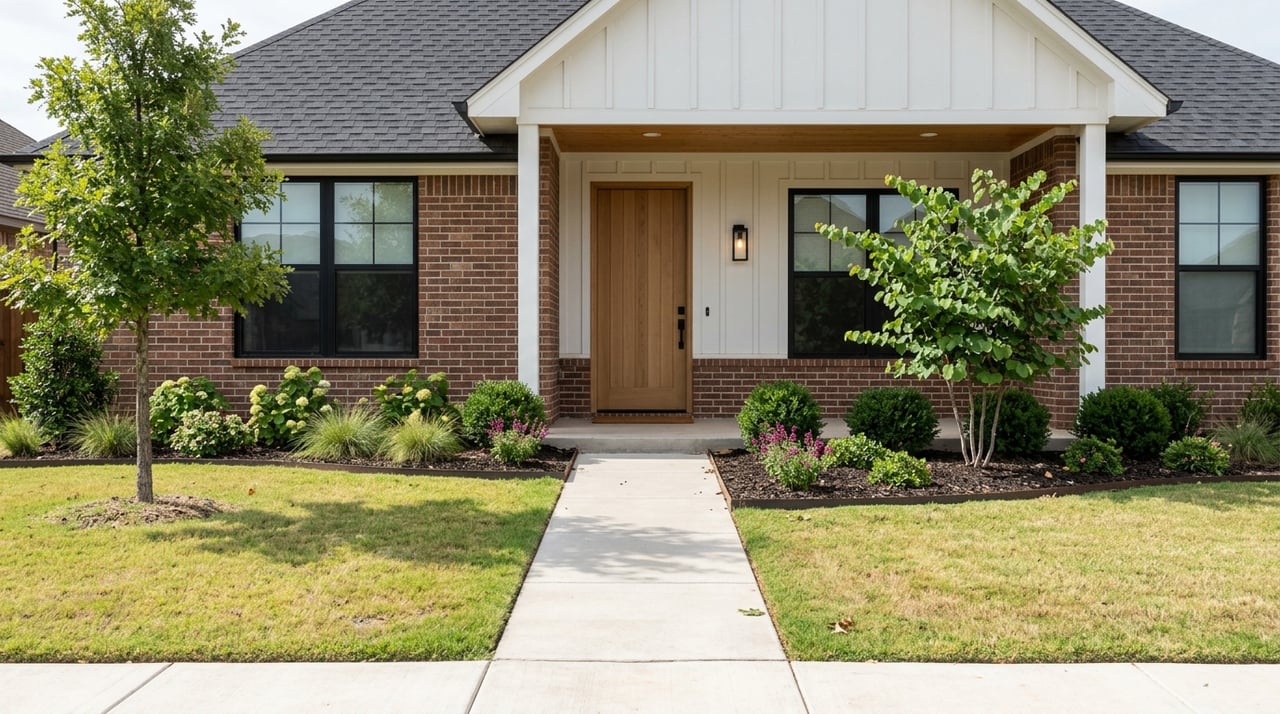
First Time Homebuyer Guide for Moore, OK
June 11, 2026
June 11, 2026
Buying your first home in Moore can feel exciting and overwhelming at the same time. You want to make a smart decision, stay on budget, and avoid surprises once you are under contract. The good news is that with the right plan, the process becomes much easier to manage. This roadmap will walk you through each step, from early budgeting to closing day and the local tasks that matter after you get the keys. Let’s dive in.
Before you tour homes, it helps to build a budget around your real life, not just the highest number a lender might approve. Your monthly payment should leave room for groceries, car expenses, savings, home maintenance, and the unexpected.
Lenders commonly review your income, assets, employment, savings, debts, and credit history when evaluating your loan application. You should also plan for cash needed beyond the down payment. Closing costs typically run about 2% to 5% of the purchase price, so it is smart to keep funds available for moving costs, repairs, and an emergency reserve.
If you are buying your first home in Oklahoma, it is worth learning about programs through the Oklahoma Housing Finance Agency, or OHFA. According to OHFA, its Gold Government and Gold Conventional products are first-time-buyer programs.
OHFA also offers Dream Government and Dream Conventional products for both first-time and repeat buyers. Some products offer 3.5% down payment assistance, and eligible loan types can include FHA, HUD-184, USDA-RD, VA, or conventional loans. Buyers can work with an OHFA-approved lender and a Blue Ribbon Agent.
A preapproval is one of the first practical steps in your Moore home search. It helps you understand what price range fits your financing and shows sellers you are serious.
A preapproval letter is a lender’s statement that it is tentatively willing to lend up to a certain amount. Sellers often want to see one before accepting an offer, and these letters usually expire in 30 to 60 days. That means timing matters, especially if you are starting to tour homes soon.
Preapproval gives you a realistic ceiling, which can make your search more focused and less stressful. Instead of guessing what might work, you can look at homes with a clearer plan.
It also helps you move faster when the right home appears. In a competitive moment, having your financing lined up can make the offer process feel much smoother.
Once your financing prep is underway, it is time to think about the details that matter specifically in Moore. A home can look great online, but local due diligence helps you make a more confident decision.
In Moore, that often means checking school attendance zones, reviewing parcel details, and looking into possible floodplain concerns before you write an offer. These are practical steps that can help you avoid assumptions and ask better questions.
For many buyers, school boundaries are an important part of the search. Moore Public Schools says attendance zones are based on residence, and the district covers 176 square miles across Moore and south Oklahoma City.
Because the district includes 3 high schools, 6 junior highs, and 25 elementary schools, it is important to verify the specific address rather than assuming a home falls into a certain attendance area. If school assignment matters to your move, confirm it early.
The City of Moore provides GIS Floodplain and GIS Parcel viewers that can help you review parcel information and check whether a property may be affected by floodplain issues. This is a valuable step before making an offer.
You should also ask questions about flood and disaster risk, insurance availability, and insurance cost. A home in a FEMA-designated Special Flood Hazard Area generally requires flood insurance for a mortgage, but flood risk can still exist outside those mapped areas.
When you find the right home, your offer should do more than name a price. It should also protect you in case financing, condition, or other key parts of the transaction do not go as planned.
A common way buyers reduce risk is by using contingencies. It is generally wise to make the offer contingent on financing and a satisfactory inspection.
Earnest money is a good-faith deposit that shows you are serious about the purchase. It may be held by the seller or a third party and may later be applied to your closing costs or down payment if the transaction closes.
Because earnest money is tied to the contract terms, it is important to understand when it may be refundable and when it may not. This is one reason clear guidance and careful contract review matter so much for first-time buyers.
These two steps are easy to mix up, but they serve very different purposes. Understanding the difference can help you feel more prepared once you are under contract.
A home inspection looks at the property’s condition. An appraisal is an independent written opinion of value that a lender may require when financing the purchase.
The inspection gives you a closer look at the home’s systems and condition before closing. If major issues come up, your inspection contingency may give you room to negotiate, request repairs, or reconsider the purchase.
This step is important because it helps you make a decision based on more than the home’s appearance. It can also help you plan for future maintenance.
If the appraisal comes in lower than the contract price, the deal may need another round of review. Buyers may need to renegotiate the price or look carefully at the valuation before moving forward.
This can feel stressful, especially in your first purchase, but it is a normal issue to work through when needed. The key is to stay calm and understand your options before making a decision.
Closing is the final step in buying and financing your home. By this stage, you are usually handling final paperwork, title work, insurance details, and last checks before ownership transfers.
A closing commonly involves a title insurance company and an escrow company. Before the appointment, you should also shop for homeowners insurance and stay alert for any last-minute changes.
Right before closing, it is smart to complete a final walk-through of the property. This gives you a chance to confirm the home is in the expected condition before you sign.
If the seller agreed to certain repairs or to leave specific items behind, this is your chance to confirm those details. If something is off, raise the issue before closing rather than after.
Read every closing document carefully and do not sign if the loan terms differ from what you expected. If a major loan change happens late in the process, you may receive a new Closing Disclosure and, in some cases, a new 3-business-day review period.
It is also important to stay alert for mortgage closing scams in the days before closing. If wiring instructions or key financial details suddenly change, verify them carefully before sending funds.
Once you get the keys, there are still a few important local tasks to complete. These steps can help you settle in smoothly and avoid missing useful homeowner benefits.
In Moore, two of the biggest post-closing items are setting up utilities and reviewing homestead exemption paperwork through Cleveland County if you plan to occupy the home.
The City of Moore allows new utility service through its utility department. It is smart to handle this promptly so your water, sewer, and trash services are ready when you move in.
The city also uses Tyler Notify for water, sewer, and trash interruption notices. Keeping your contact information current can help you receive important service updates.
If you will own and occupy the home as your residence, look into the Cleveland County homestead exemption. The county says the exemption reduces assessed valuation by $1,000.
According to county guidance, the property must be owned and occupied as a residence on January 1, and the deed or other evidence of ownership must be recorded by February 1 of the following year. Applications filed by March 15 generally apply to that tax year. Once granted, the exemption usually continues as long as you keep occupying the home and report any ownership or occupancy changes.
Your first home purchase in Moore does not have to feel like a guessing game. When you break the process into clear steps like budgeting, preapproval, home search, due diligence, contract protections, closing prep, and post-closing tasks, the path becomes much easier to follow.
That is where steady guidance matters. If you want a calm, local, step-by-step approach to buying your first home in Moore, Jennifer Elliston is here to help you move forward with more clarity and confidence.
Stay up to date on the latest real estate trends.




Rooted in trust, expertise, and sincere dedication, Jennifer brings a lifelong appreciation of what “home” means to every client and every move.