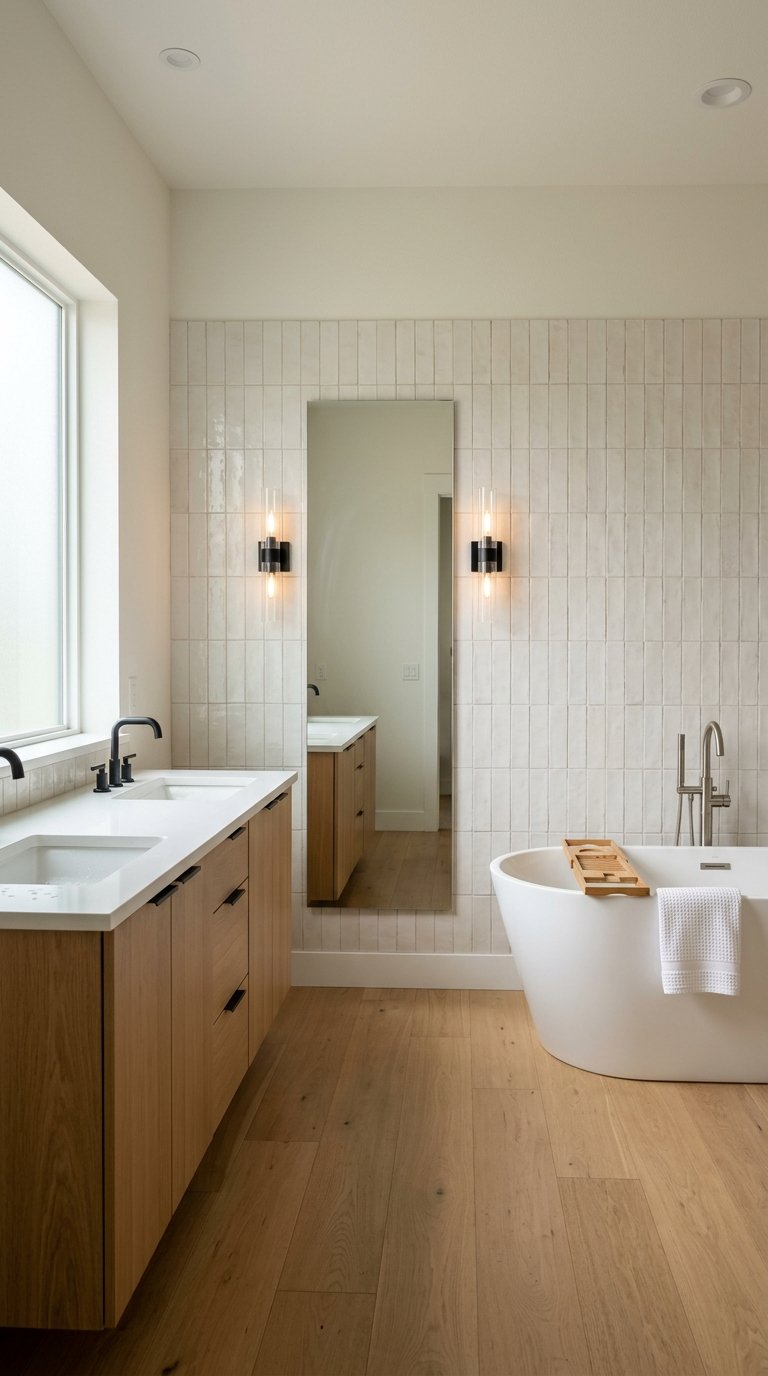
How A Proactive Listing Plan Works In Oklahoma City
June 18, 2026
June 18, 2026
Selling your home in Oklahoma City takes more than putting a sign in the yard and hoping the right buyer shows up. In a market where buyers have options, your first few days on the market can shape everything from showing activity to offer strength. If you want a smoother, lower-stress sale, it helps to understand what a proactive listing plan actually looks like and why it matters here. Let’s dive in.
Oklahoma City is not a market where almost any home will fly off the shelf without a plan. Spring 2026 data shows a market that is close to balanced, with Realtor.com reporting about 3,486 homes for sale, a median list price of $292,990, median days on market of 51, and a sale-to-list ratio of 100%. Redfin reported a median sale price of $269,839, about 46 days on market, and roughly two offers on average.
MLSOK's 2025 annual report points in the same direction. Oklahoma City showed 3.4 months of supply, 40 days on market, and 97.9% of list price received. That tells you buyers are still active, but presentation, pricing, and timing matter.
In simple terms, a proactive listing plan is about building early momentum. Instead of reacting after a listing goes live, you prepare the home, marketing, and paperwork ahead of time so your launch starts strong.
A proactive listing plan is a step-by-step approach to getting your home market-ready before it hits the MLS. The goal is to reduce surprises, create a better first impression, and make it easier for buyers to say yes.
For sellers in the Oklahoma City metro, that often means focusing on three things right away:
This kind of plan fits especially well in a measured market. When buyers can compare several homes at once, the listing that feels polished, easy to understand, and well positioned often gets more attention early.
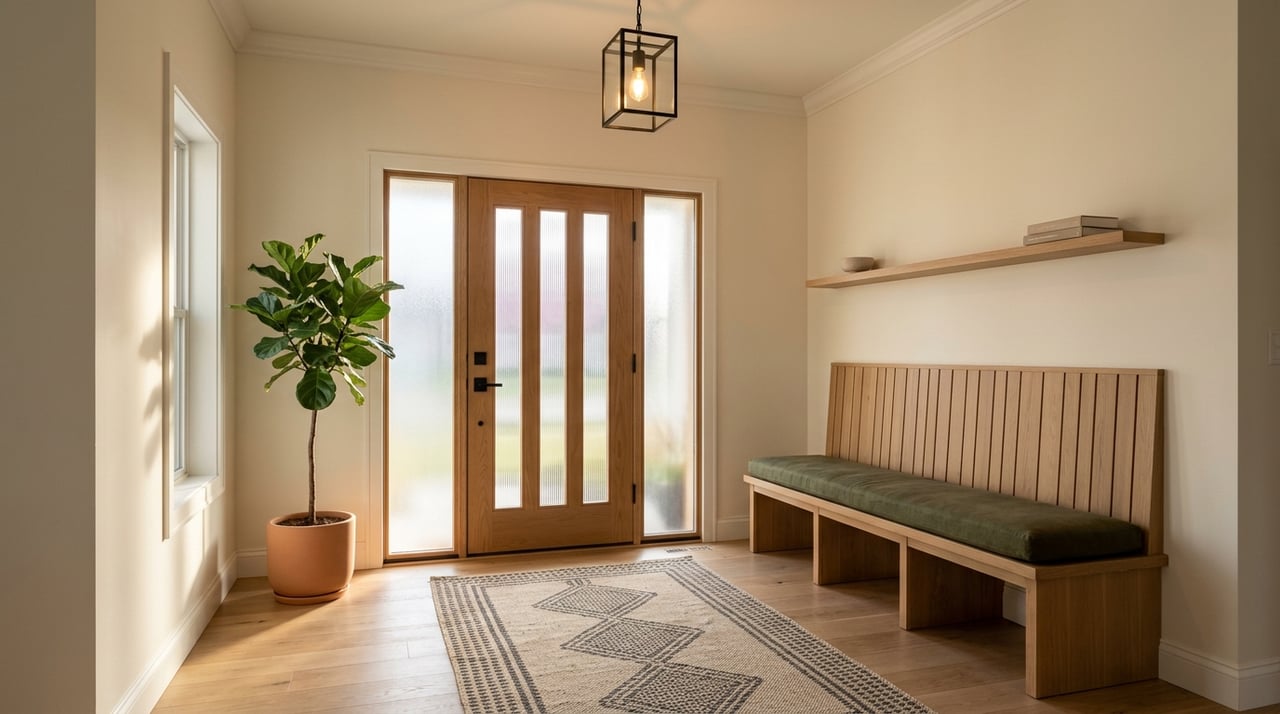
A strong listing usually starts before the photographer arrives. That includes cleaning, decluttering, addressing visible issues, and deciding whether any rooms would benefit from staging.
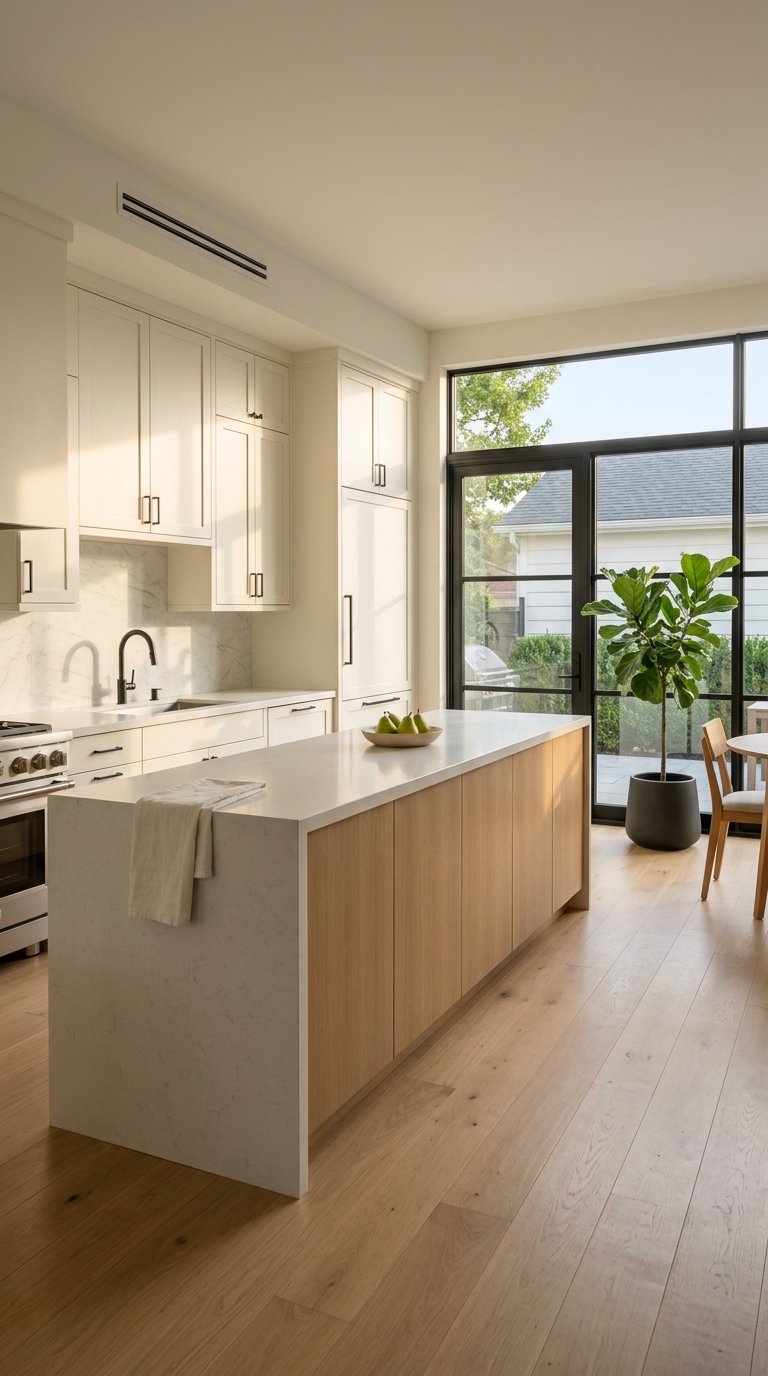
NAR's 2025 staging research found that buyers' agents most often viewed the living room as the most important room to stage, followed by the primary bedroom and kitchen. On the seller side, the most commonly staged rooms were the living room, primary bedroom, and dining room. The same report found a median staging service cost of $1,500, while 49% of agents said staging reduced time on market and 29% said it increased the dollar value offered by 1% to 10%.
That does not mean every home needs full-service staging. It does mean that visual readiness matters. Even when formal staging is not used, decluttering and fixing obvious property issues can help your home show better online and in person.
Most buyers start online, so your listing photos do a lot of the early work for you. NAR found that 81% of buyers rated listing photos as the most useful feature in their online search. It also found that 52% of buyers found the home they purchased online, and nearly half said their search started online.
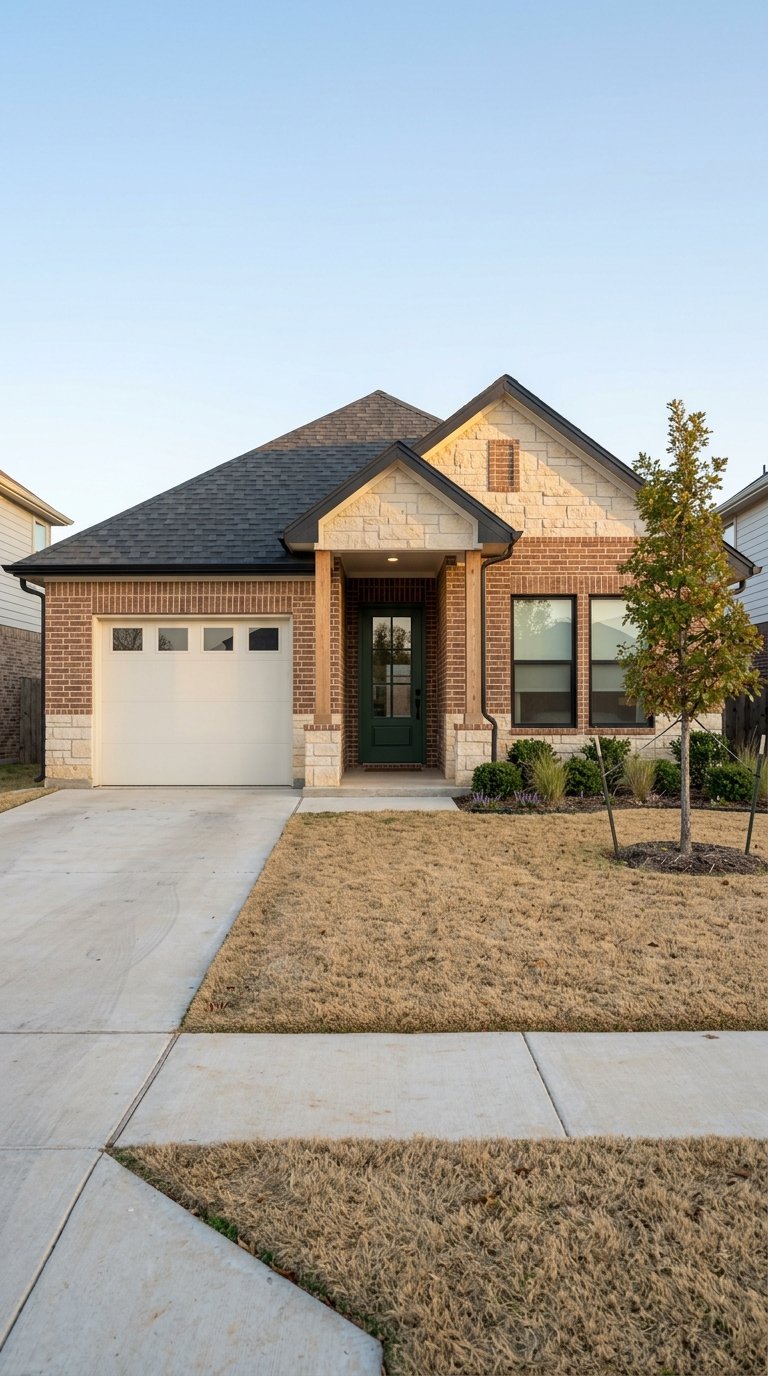
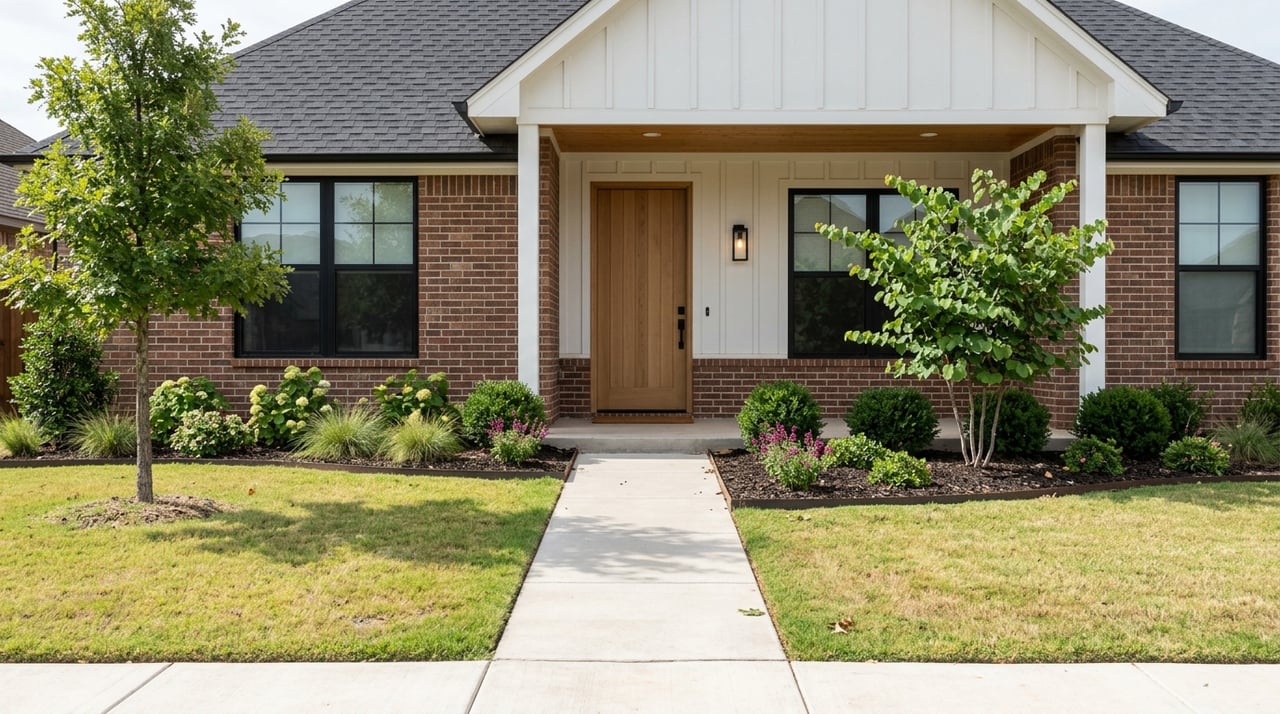
That is why the first photo matters so much. NAR notes that a strong exterior photo or a lifestyle-focused interior image can perform better than a generic wide room shot because it helps stop the scroll.
A proactive listing plan gets the visual package ready before launch, not after weak engagement shows up. That includes high-quality photos and listing remarks that answer common buyer questions clearly and quickly.
Good listing copy is not filler. It helps buyers understand how the home lives and what makes it useful over time.
According to NAR, listing descriptions work best when they answer common buyer questions up front and highlight features tied to everyday living and long-term value. That can include flexible spaces, energy-efficient upgrades, smart-home features, and usable outdoor areas.
For you as a seller, this means the marketing should be specific, not vague. Buyers respond better when they can picture how the home fits their daily life.
A proactive listing plan also includes paperwork. In Oklahoma, disclosure preparation should happen before your home goes live, not after an offer comes in.
The Oklahoma Real Estate Commission's 2026 residential sale forms page shows that the residential sale contract covers financing provisions, inspections, disclosures, title requirements, repairs, closing procedures, and compliance with Oklahoma law. The Residential Property Condition Disclosure Act materials on OREC's site include the disclosure form, disclaimer form, exemption form, and licensee disclosure form, which signals that sellers should get organized early.
For many 1- and 2-unit residential dwellings, Oklahoma's property condition disclosure form must be completed and delivered no later than before the seller accepts an offer. If you learn of a new defect before acceptance, you must deliver an amended disclosure. The form is based on your current actual knowledge, is not a warranty, and is not valid after 180 days.
If your home was built before 1978, lead-based paint disclosure rules also apply. Sellers of most pre-1978 housing must disclose known information about lead-based paint or lead-based paint hazards before contract signing and provide the required federal lead hazard information pamphlet.
Once the home is ready, the next step is a coordinated launch. This is where a proactive plan separates itself from a passive one.
A launch is not just putting the home in the MLS and waiting. It is about creating a strong first impression across the places serious buyers are already paying attention, including MLS distribution, search portals, social media, and agent networks.
NAR reports that 88% of buyers purchased through an agent or broker and 91% of sellers used an agent. Sellers especially valued help marketing the home, pricing it competitively, and selling within a specific timeframe. That is a good reminder that agent-to-agent communication still matters alongside online exposure.
For Oklahoma City sellers, this lines up well with Jennifer Elliston’s structured marketing approach, which emphasizes early listing attention through social media campaigns, agent-to-agent referrals, traditional media, and SEO advertising. The goal is not to be everywhere at once. The goal is to be visible in the right places right away.
The first few days after launch can tell you a lot. NAR says this early window gives the clearest signal of how a listing is performing online.
If activity is weak, such as low views, few saves, or limited inquiries, that can point to issues with the lead photo, pricing context, or promotion. NAR notes that small changes like updating the first photo, reordering images, or re-sharing the listing through targeted channels can help reset visibility while interest is still forming.
That early-response mindset matters in Oklahoma City because homes are not selling instantly across the board. With local days-on-market figures in the 40- to 51-day range depending on the source, your listing has room to succeed, but it still needs a strong start.
A proactive listing plan does not end on launch day. It keeps going through the first two to three weeks, when your agent can measure how buyers are responding.
This is the performance-check stage. If the home is getting attention but not offers, the issue may be pricing context or buyer objections that show up during showings. If the home is getting very little attention, it may be time to revisit presentation, exposure, or photo sequencing while the listing is still fresh.
This kind of steady monitoring can help you avoid a common seller mistake: waiting too long to make smart adjustments. In a balanced market, staying responsive can protect your momentum.
Not all parts of the metro move the same way. MLSOK's 2025 annual report shows clear differences between nearby markets.
In Oklahoma City, there were 6,196 closed sales, 3.4 months of supply, 40 days on market, and 97.9% of list price received. Moore had 2.1 months of supply, 46 days on market, and 98.7% of list price received. Norman had 3.1 months of supply, 52 days on market, and 97.9% of list price received.
Median sales prices varied too. MLSOK reported 2025 median sales prices of $237,000 in Oklahoma City, $235,000 in Moore, and $280,000 in Norman.
That is why a proactive listing plan relies on neighborhood-level comparable sales, not just metro-wide headlines. The right price and presentation for one pocket may not be the right fit for another.
You may wonder if you should wait for the perfect week to list. Realtor.com's 2026 best-time-to-sell research points to mid-April as a national sweet spot, but in a market like Oklahoma City, readiness and pricing usually matter more than trying to hit one ideal date.
If your home is clean, well prepared, accurately priced, and launched with a clear strategy, you are in a much stronger position than a seller who waits for a perfect calendar window but skips the groundwork. A proactive plan helps you move when you are truly ready.
If selling feels overwhelming, that is normal. There are a lot of moving parts, especially if you are also planning to buy another home on a tight timeline.
That is why a step-by-step approach matters. With clear communication, organized prep, and a focused launch strategy, you can make decisions with more confidence and less stress.
If you are thinking about selling in Oklahoma City, Moore, Norman, Goldsby, or a nearby community, a proactive plan can help you make the most of your first impression and your first few weeks on market. To talk through your next steps, connect with Jennifer Elliston.
Stay up to date on the latest real estate trends.

Rooted in trust, expertise, and sincere dedication, Jennifer brings a lifelong appreciation of what “home” means to every client and every move.