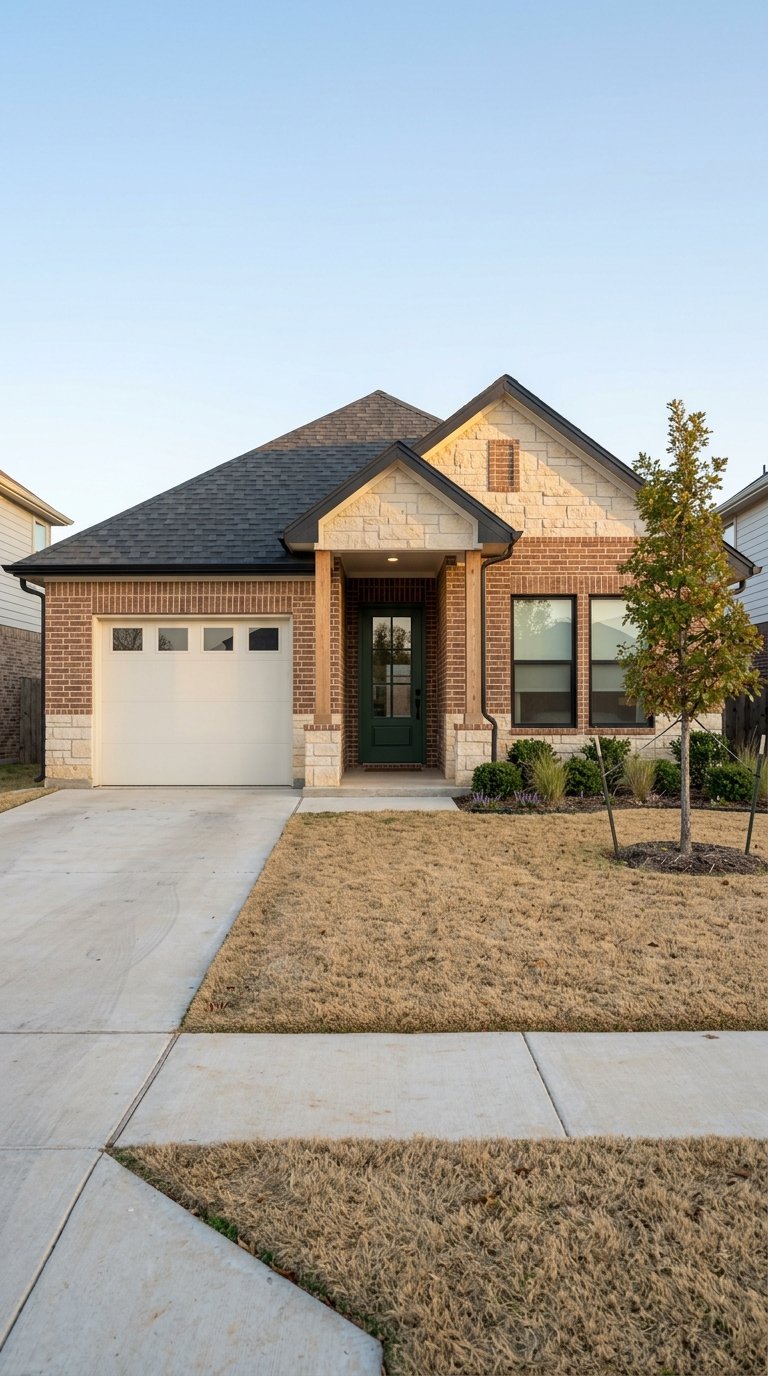
Moore vs Norman vs Goldsby: Which Suburb Fits You?
June 25, 2026
June 25, 2026
Trying to choose between Moore, Norman, and Goldsby? It can be tough when all three sit along the south side of the Oklahoma City metro but offer very different day-to-day experiences. If you want a shorter commute, more amenities, more space, or a certain price point, your best fit may become clearer once you compare them side by side. Let’s break it down.
Moore, Norman, and Goldsby all connect to Oklahoma City through the I-35 corridor. That shared location makes them natural options for buyers who want access to OKC while still living outside the city center.
The big difference is how each place feels once you get there. Moore is more compact and budget-friendly, Norman offers the widest mix of housing and amenities, and Goldsby gives you the most rural feel with the highest price point.
If price is one of your first filters, these three communities fall into different ranges. Recent Redfin snapshots place Moore around $235,000, Norman around $282,000, and Goldsby around $660,000. Oklahoma City itself sits around $270,000.
That means Moore comes in below Oklahoma City, Norman is slightly above it, and Goldsby stands apart as the highest-priced option in this group. For many buyers, that alone helps narrow the search.
Moore sits directly south of Oklahoma City and north of Norman, with I-35 running through the city. Census Reporter lists a mean travel time to work of 22.9 minutes, which is the shortest among these three communities.
If you expect regular drives into Oklahoma City, Moore may feel the most convenient. Its location makes it an easy starting point for buyers who want to stay close to the metro core.
Norman is about 17 miles south of Oklahoma City, and I-35 also runs through the city. Census Reporter lists a mean travel time to work of 24.0 minutes, which puts Norman in the middle.
For many buyers, Norman offers a balance between access and lifestyle. You are a bit farther south than Moore, but still well connected to both Oklahoma City and Norman destinations.
Goldsby sits on the southern edge of the metro, with I-35 running through town and Highway 9 forming the north boundary. Census Reporter lists a mean travel time to work of 28.1 minutes, the longest of the three.
That does not make Goldsby the wrong choice. It simply means you may be trading drive time for more space, lower density, and a quieter setting.
Moore offers a strong lineup of community-focused amenities. The Station at Central Park includes a recreation center, aquatic center, fitness area, basketball courts, indoor walking track, and meeting rooms.
The city also lists a senior center, sports complex, dog park, playgrounds, splashpads, neighborhood parks, and more than 300 acres of park grounds. If you want suburban convenience with plenty of recreational options close to home, Moore checks a lot of boxes.
Norman has the broadest amenity mix in this comparison. The city highlights the University of Oklahoma, more than 60 parks, Legacy Trail, Lake Thunderbird, museums, Sooner Theatre, and year-round festivals and events.
OU materials also describe Campus Corner as a boutique shopping district, while downtown Norman offers places to eat, shop, and enjoy arts and entertainment. If variety matters to you, Norman clearly brings the most options.
Goldsby has fewer in-town amenities than Moore or Norman, but it still offers a few notable destinations. The town lists Legacy Park and says it is home to Riverwind Casino.
For some buyers, that smaller amenity base is part of the appeal. If you are looking for a place that feels less built up and more removed from the busier parts of the metro, Goldsby may be worth a closer look.
One of the clearest ways to compare these communities is by density. Moore is the most compact, Norman is much larger and more mixed, and Goldsby is by far the lowest-density option.
Census Reporter shows Moore at 2,870.6 people per square mile, Norman at 733.3 people per square mile, and Goldsby at 117.6 people per square mile. Those numbers help explain why each place feels so different on the ground.
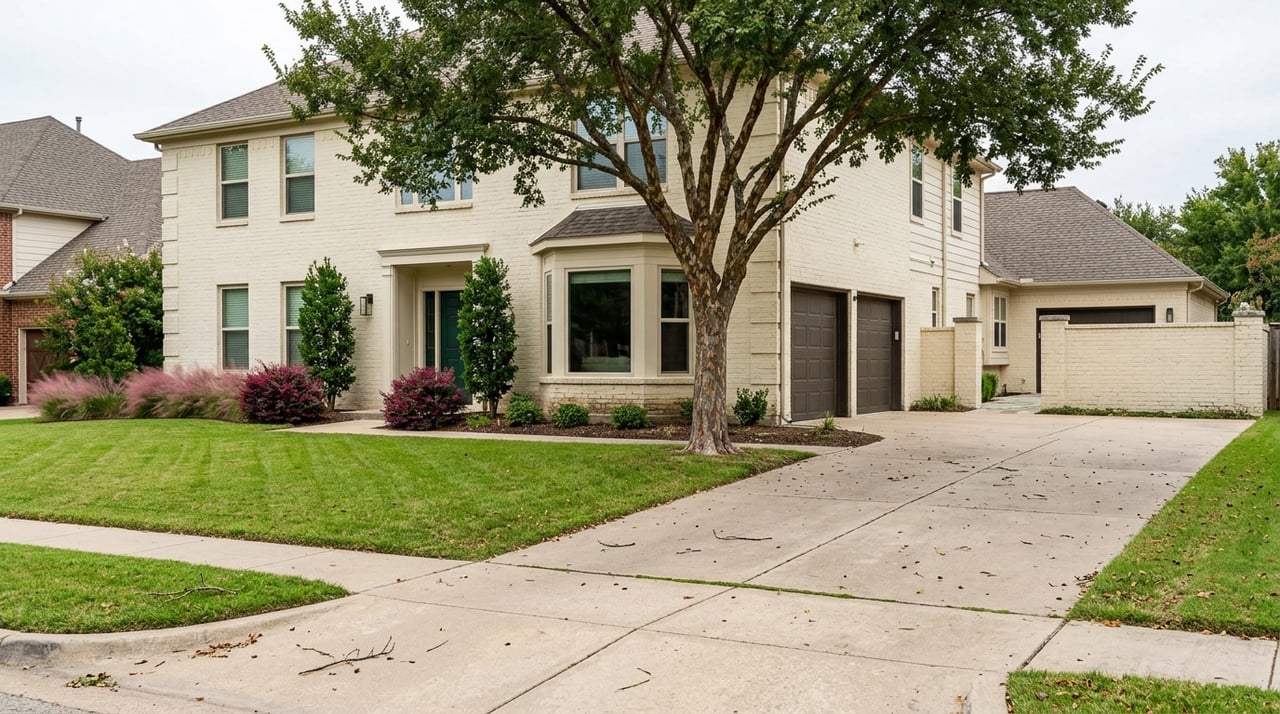
Moore’s housing stock is mostly single-family homes. City planning documents also note single- and multi-family residential land uses along I-35, with a mix that includes detached homes, mobile homes, duplexes, and garden apartments.
In practical terms, Moore often fits buyers who want a more traditional suburban layout and a lower entry price than some nearby options. It is compact, established, and straightforward to navigate.
Norman offers the most housing variety of the three. The city describes a wide variety of neighborhoods, and its size suggests a mix of core areas, campus-adjacent settings, suburban sections, and edge-of-town options.
That range can be helpful if your wish list is still evolving. Whether you are comparing location, lot size, or lifestyle access, Norman gives you more types of settings to explore.
Goldsby is the most rural-feeling option in this comparison. Census Reporter shows just 3,085 people across 26.2 square miles, with 1,053 housing units, which supports that lower-density feel.
If you are drawn to larger lots, more privacy, or a home that feels farther removed from denser suburban patterns, Goldsby stands out. It is the clearest fit for buyers prioritizing space over convenience.
These communities differ not only in price, but also in how quickly homes tend to move. Redfin describes both Moore and Norman as somewhat competitive, while Goldsby appears less competitive by comparison.
Moore homes average about 55 days on market, Norman about 35 days, and Goldsby about 70 days. That can affect how fast you need to act and how much time you may have to compare options.
Moore may be the best fit if you want the shortest commute pattern of the three and a price point below Oklahoma City’s recent median. It also makes sense if you like a compact suburban setting with parks, recreation, and practical day-to-day convenience.
For first-time buyers or buyers who want to stay budget-aware, Moore often deserves a close look. It can be a strong match when affordability and access lead your search.
Norman is often the best middle-ground option. It offers a broader mix of home styles, amenities, parks, shopping, dining, arts, and outdoor recreation than the other two communities in this comparison.
If you want flexibility and do not want to narrow yourself too quickly, Norman gives you room to compare different lifestyles within one city. That can be especially helpful if multiple priorities matter equally.
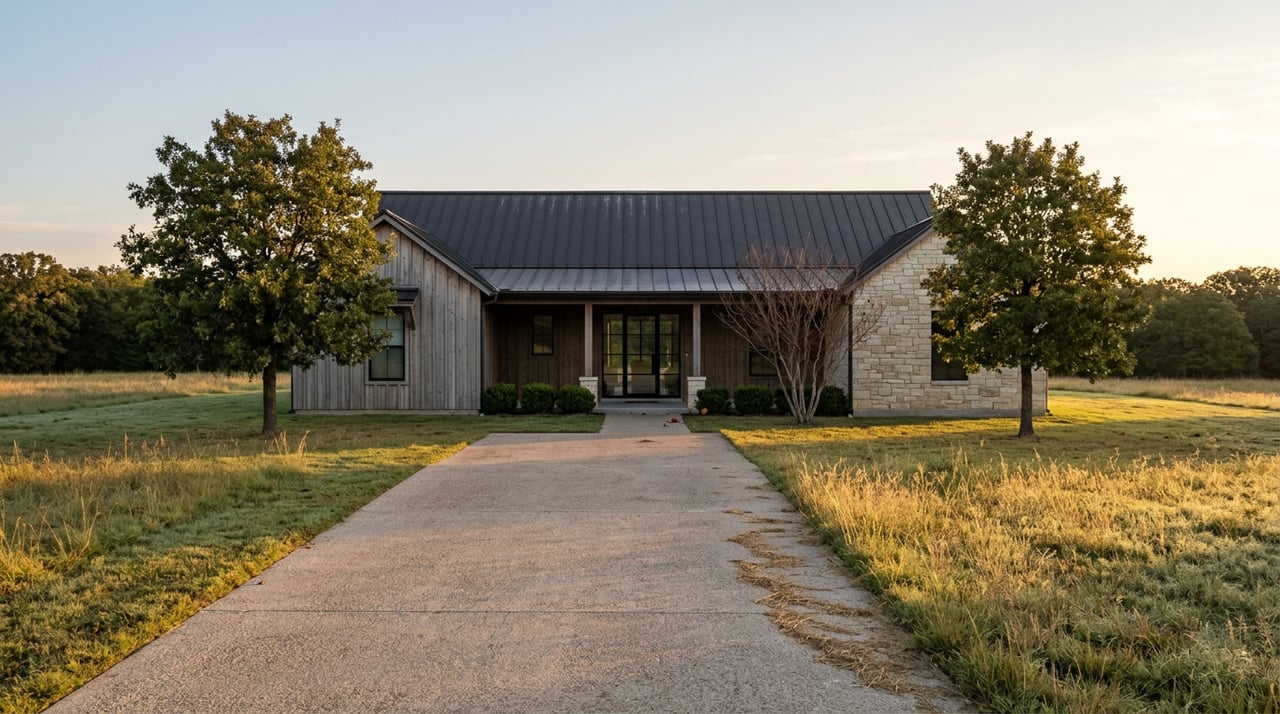
Goldsby tends to appeal to buyers who want more room, lower density, and a more rural feel. It is the highest-priced option here, but it offers a very different experience from Moore or Norman.
If privacy, larger-lot living, and a quieter setting are high on your list, Goldsby may be worth the longer drive. It is often less about convenience and more about space and feel.
As you compare these suburbs, ask questions that go beyond the listing photos. A home can look great online but feel very different once you factor in commute time, neighborhood pattern, and daily routine.
Here are a few smart questions to keep in mind:
If you want the short version, here it is. Moore is the shorter-commute, lower-price option. Norman is the broadest option for lifestyle and housing variety. Goldsby is the space-forward, higher-price option.
The right answer depends on what matters most to you. When you get clear on your budget, drive time, and how you want everyday life to feel, your best fit usually becomes much easier to spot.
If you are weighing these areas and want a calm, step-by-step approach, Jennifer Elliston can help you compare neighborhoods, narrow your search, and move forward with confidence.
Stay up to date on the latest real estate trends.
Rooted in trust, expertise, and sincere dedication, Jennifer brings a lifelong appreciation of what “home” means to every client and every move.