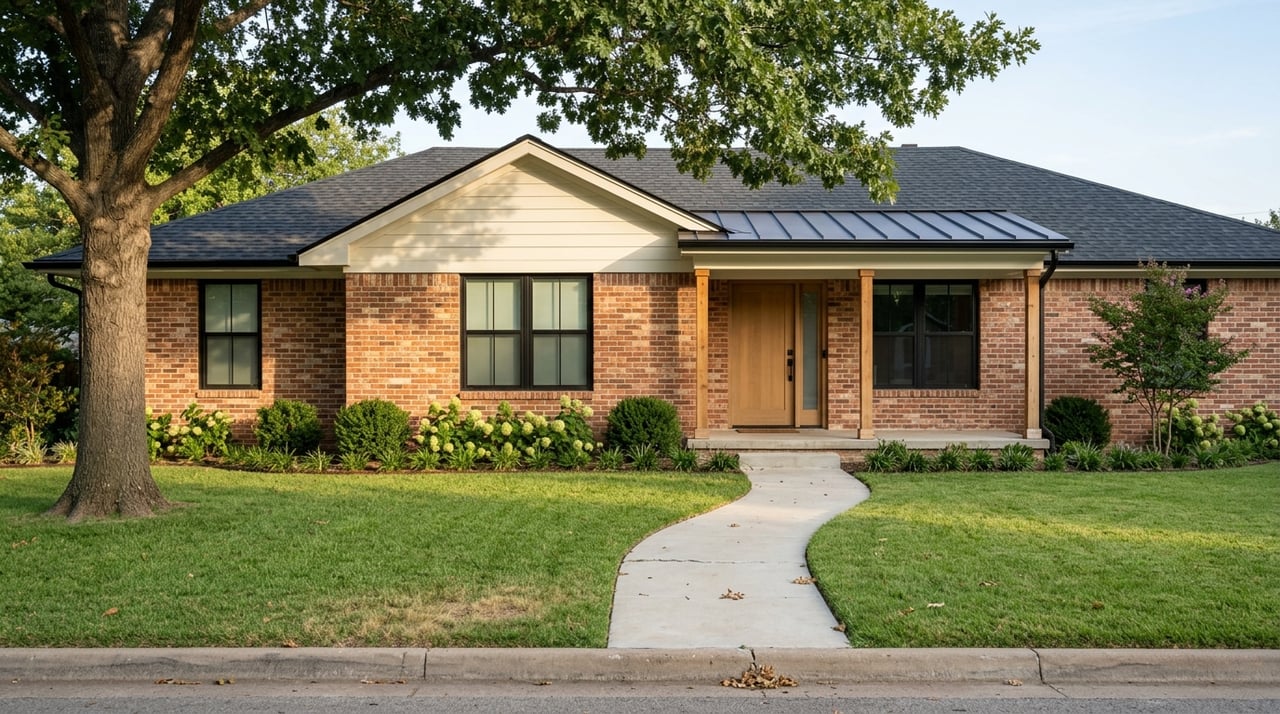
Choosing Between Established And Newer Neighborhoods In Norman
June 4, 2026
June 4, 2026
Wondering whether an older Norman neighborhood or a newer one is the better fit for your next move? It is a smart question, because in Norman, neighborhood layout, home age, walkability, and infrastructure can shape your day-to-day life just as much as the house itself. If you are trying to balance character, convenience, maintenance, and long-term comfort, this guide will help you compare your options with more clarity. Let’s dive in.
Norman’s planning framework gives you a helpful way to think about this decision. The city’s AIM Norman plan describes Classic Neighborhood Areas as the closest match to older, established neighborhoods, while Suburban Neighborhood Areas reflect newer subdivision-style growth.
According to the city, neighborhood character is shaped by building age, architecture, connectivity, scale, and environmental sensitivity. In plain terms, that means the feel of a Norman neighborhood often comes down to how it was designed, when it was built, and how easily you can move around it.
Norman is home to about 130,943 residents as of July 1, 2025. Census data also show an owner-occupied housing rate of 53.3%, a median owner-occupied home value of $250,100, and that about 70% of housing units are single-unit structures. That helps explain why buyers often spend a lot of time comparing lot patterns, street design, and overall neighborhood feel.
Established neighborhoods in Norman are often concentrated in the city’s Core Area, roughly bounded by Robinson Street, 12th Avenue E, Imhoff Road, and Berry Road. This part of town includes areas near Downtown Norman and the University of Oklahoma, and city planning efforts here often focus on land-use compatibility, circulation, parking, and neighborhood improvements.
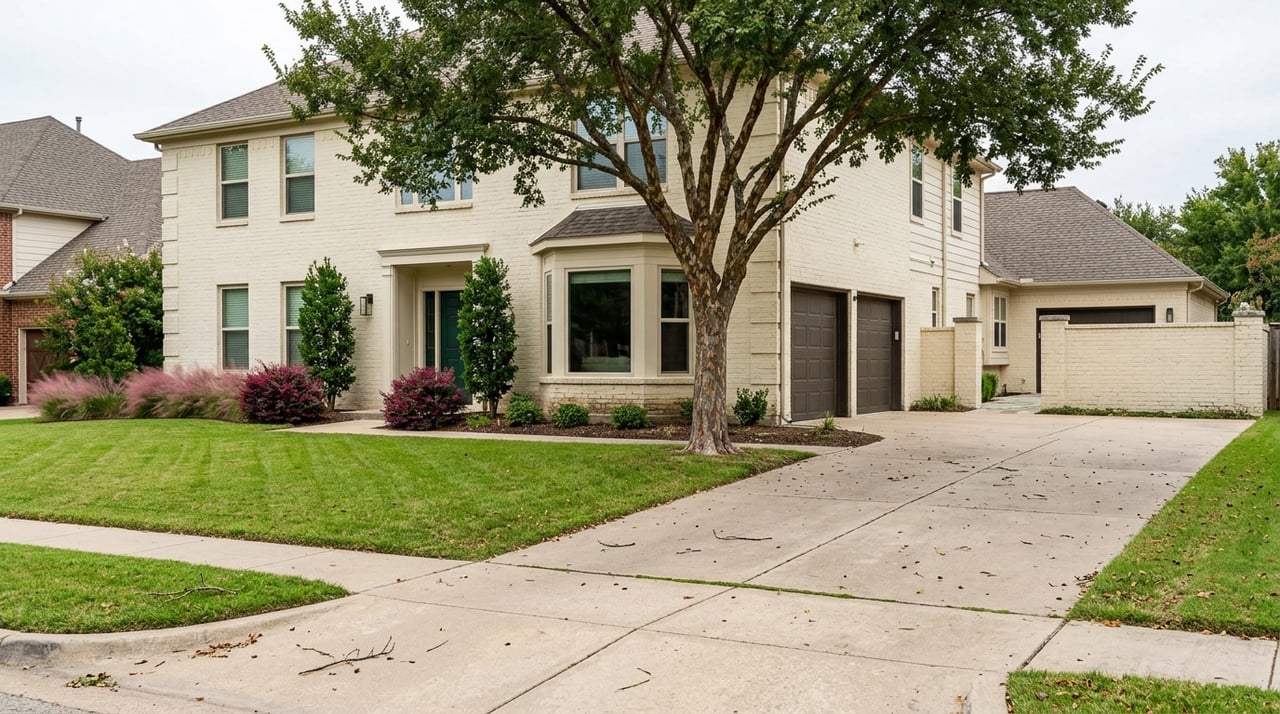
For many buyers, the biggest draw is character. City neighborhood profiles show that places like Original Townsite, Old Silk Stocking, and First Courthouse are known for features such as mature trees, sidewalks, angled streets, triangular blocks, and close access to downtown services and corridors.
If you love homes with distinct architectural identity, older areas may stand out even more. For example, the city notes that Southridge was platted in 1922 and developed mainly in the 1920s through 1950s, with Tudor Revival and Colonial Revival styles shaping much of its visual character.
Older Norman neighborhoods often appeal to buyers who want:
That charm can come with extra questions. City materials note that some core neighborhoods face issues such as rental conversions along commercial edges, declining property maintenance in some areas, and pressure from commercial expansion.
The city also identifies aging infrastructure, undersized systems, and limited active transportation access as challenges in some Classic Neighborhood Areas. So if you are considering an older home, it is worth looking past curb appeal and asking practical questions about upkeep, utilities, and nearby land use.
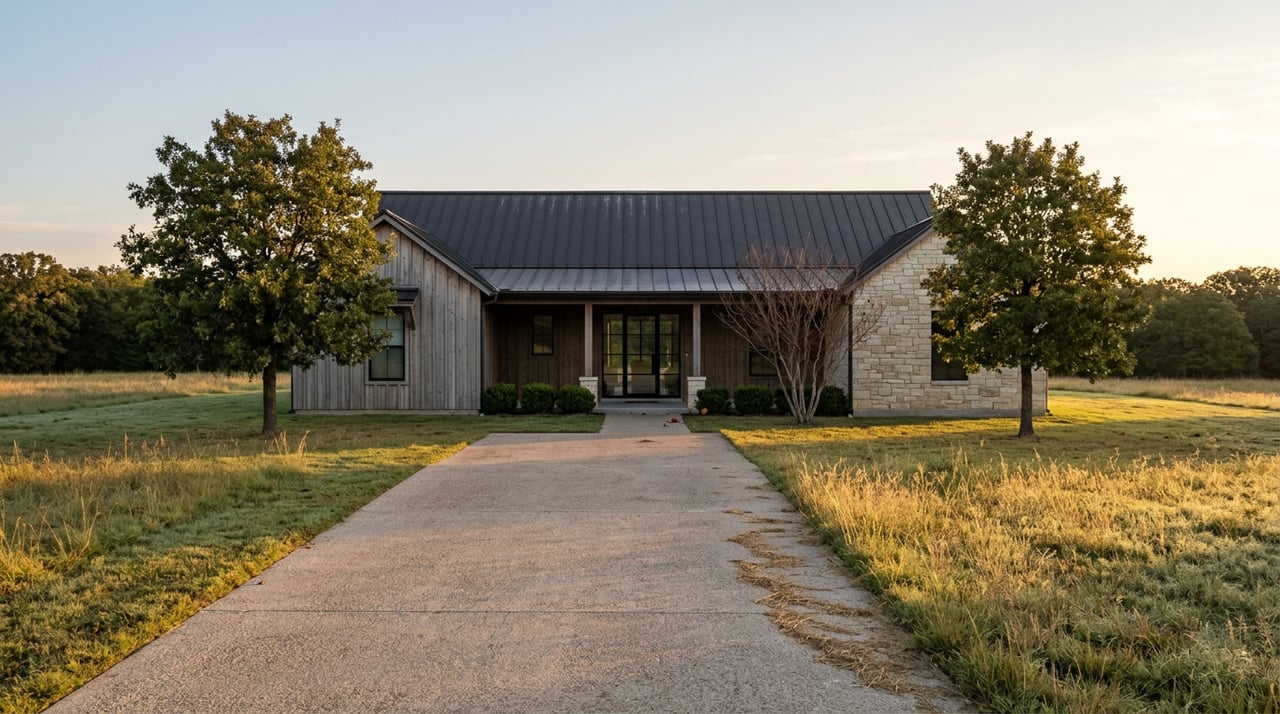
Norman’s newer neighborhoods are generally found in the city’s Suburban Neighborhood Areas. The city describes these places as predominantly residential, with lower pedestrian orientation, limited transit access, and street patterns that are often curving rather than grid-based.
For many buyers, the appeal is simple: newer subdivisions often feel more predictable in layout and infrastructure. You may find neighborhood planning that aligns more closely with current utility standards, newer street systems, and easier comparisons between homes.
The city also notes that new development must connect to city water and sewer, sometimes by extending utility lines. AIM Norman encourages better connectivity and trail access in these areas, which means buyers should look beyond the house itself and consider how well the neighborhood connects to parks, services, and the rest of Norman.
Newer Norman neighborhoods may be a strong fit if you want:
Newer does not always mean easier in every way. The city says these areas often have low pedestrian orientation and limited transit access, so many function more as car-dependent neighborhoods.
That matters if your routine includes commuting, errands, or wanting quick access to central Norman. If walkability or transit matters to you, a newer area may feel less convenient than a more central neighborhood.
When you compare neighborhoods in Norman, it helps to think about more than just home age. The city maintains 67 neighborhood and community parks, and it continues investing in upgrades and new spaces.
One recent example is Bluestem Park, which is being built with a perimeter walking trail, shaded playground, sports areas, native landscaping, and new trees. For buyers looking at newer or growing areas, amenities like this can be an important part of the overall lifestyle picture.
Transit is another practical factor. Norman’s local transit service is fare-free, operates five routes, and serves shopping, businesses, neighborhoods, recreation, government services, and medical services.
In general, central neighborhoods may benefit more from that network, while newer neighborhoods farther from the core may rely more heavily on driving. That does not make one better than the other, but it can change how easy daily routines feel.
No matter which type of neighborhood you prefer, due diligence matters. In Norman, older and newer areas can have different maintenance risks, but both deserve a close look.
The city’s sewer-overflow guidance says many older neighborhoods experience sanitary sewer backups into basements, though backups can also happen in newer neighborhoods. That means sewer history is worth asking about whether you are touring a 1940s home or a newer build.
Drainage is another major issue to review. Norman says most flooding is caused by heavy runoff, and developed areas create faster runoff because hard surfaces like streets, driveways, and sidewalks do not absorb water the way undeveloped land does.
If a home is near a creek, drainageway, or low-lying area, ask about floodplain status and drainage history. The city also notes that construction or remodeling in the regulatory floodplain requires a floodplain permit, which can matter if you are planning future changes.
Established neighborhoods in Norman can come with extra zoning or preservation considerations. The city’s zoning code includes overlay districts such as the Historic District, Porter Corridor Zoning Overlay District, and Central Norman Zoning Overlay Zone.
In designated historic districts, the Historic District Commission reviews proposed exterior alterations through Certificates of Appropriateness. If you are thinking about updates, additions, or future renovations, it is smart to ask about those rules early so there are no surprises later.
This does not mean older neighborhoods are harder to buy. It simply means you want a clear picture of what comes with the property and the area around it.
Lifestyle fit often comes down to small details you notice after move-in. Norman’s neighborhood planning program specifically addresses parking, circulation, and neighborhood improvements in the Core Area, and the city’s traffic division says speeding and cut-through traffic are among its most persistent complaints.
That means established neighborhoods near downtown, OU, or commercial corridors may offer stronger walkability, but they can also feel busier. A newer neighborhood may feel quieter in some cases, but it may also mean longer drives and fewer nearby services.
When you tour, pay attention to how the street feels at different times of day. A beautiful house can feel very different during school drop-off, evening traffic, or weekend events.
If you are comparing established and newer neighborhoods in Norman, use the same checklist every time. That makes it easier to compare areas side by side without relying only on first impressions.
Look at:
For established neighborhoods, also ask:
For newer neighborhoods, also ask:
If you are drawn to mature landscaping, central location, sidewalks, and homes with distinct visual character, an established Norman neighborhood may feel more like home. If you prefer newer infrastructure, subdivision planning, and a more recent development pattern, a newer neighborhood may better match your priorities.
Neither choice is automatically better. The right fit depends on how you live, what kind of maintenance you are comfortable with, and what matters most in your day-to-day routine.
If you want help comparing Norman neighborhoods in a clear, low-stress way, Jennifer Elliston can walk you through the options step by step and help you find the right fit for your next move.
Stay up to date on the latest real estate trends.
Rooted in trust, expertise, and sincere dedication, Jennifer brings a lifelong appreciation of what “home” means to every client and every move.